
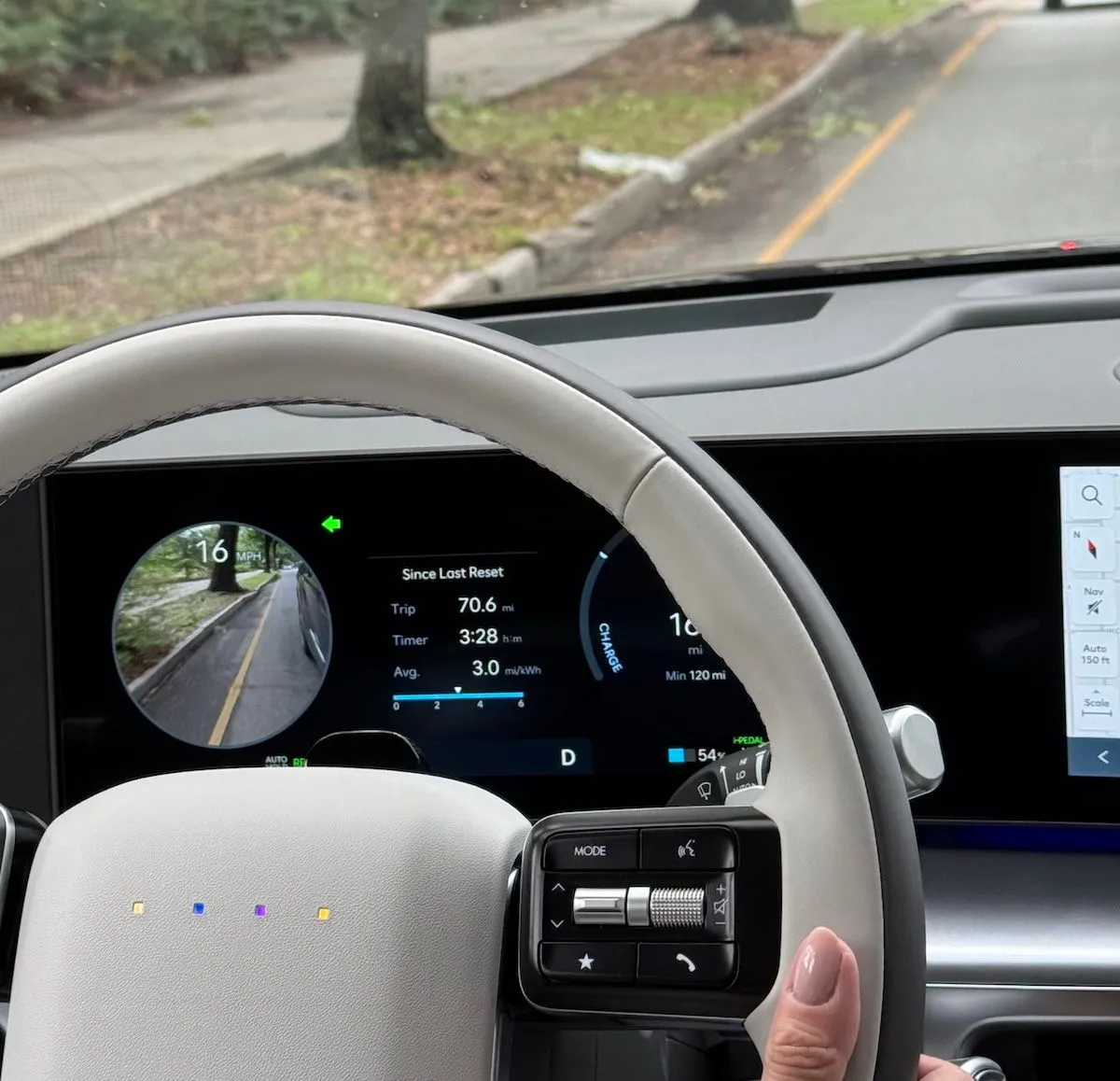
Modern vehicles are increasingly equipped with advanced automotive technologies designed to combat the growing epidemic of distracted driving. With federal traffic data showing hundreds of thousands of injuries caused annually by driver inattention, car manufacturers are deploying intelligent features to keep focus where it belongs.
Data from federal safety agencies highlights the severe dangers of momentary glances away from the road, particularly at highway speeds. In response, engineering teams have integrated automated driver-assistance systems that act as reliable co-pilots during daily commutes.
Related Stories

Get the Latest Automotive & Sports News from Vince's Auto Body Inc
Receive the latest updates on automotive industry, football, basketball, economy, and technology news directly in your inbox. It's free!
SubscribePhone mirroring technologies like Apple CarPlay and Android Auto project streamlined mobile interfaces onto dashboard screens. This integration allows motorists to handle navigation and communication via voice commands without ever physically picking up a handheld device.
Lane keep assist and blind spot detection systems provide crucial physical and visual warnings when vehicles begin to drift or encounter unseen hazards. These proactive safeguards significantly lower collision risks by actively monitoring surrounding traffic conditions in real-time.
Advanced Driver Alerts and Hands-Free Controls
Tactile feedback systems, including vibrating steering wheels and haptic seat warnings, deliver immediate alerts without startling passengers or relying solely on auditory chimes. These physical cues effectively cut through cabin noise to warn drivers of potential lane drifts or blind spot intrusions.
Heads-up displays project vital data such as vehicle speed and navigational cues directly onto the windshield. This innovation ensures motorists can process essential travel information without shifting their line of sight away from the active roadway.
Certain automotive designs intentionally place storage cubbies out of immediate reach to discourage drivers from handling mobile devices while operating the vehicle. Combined with automated speed warnings and drowsy driver alerts, these mechanisms promote disciplined driving habits.
While these electronic safeguards provide extraordinary assistance, industry experts emphasize that the human operator remains ultimately responsible for vehicle control. Balancing technology with attentive driving practices creates a safer environment for everyone on the highway.