
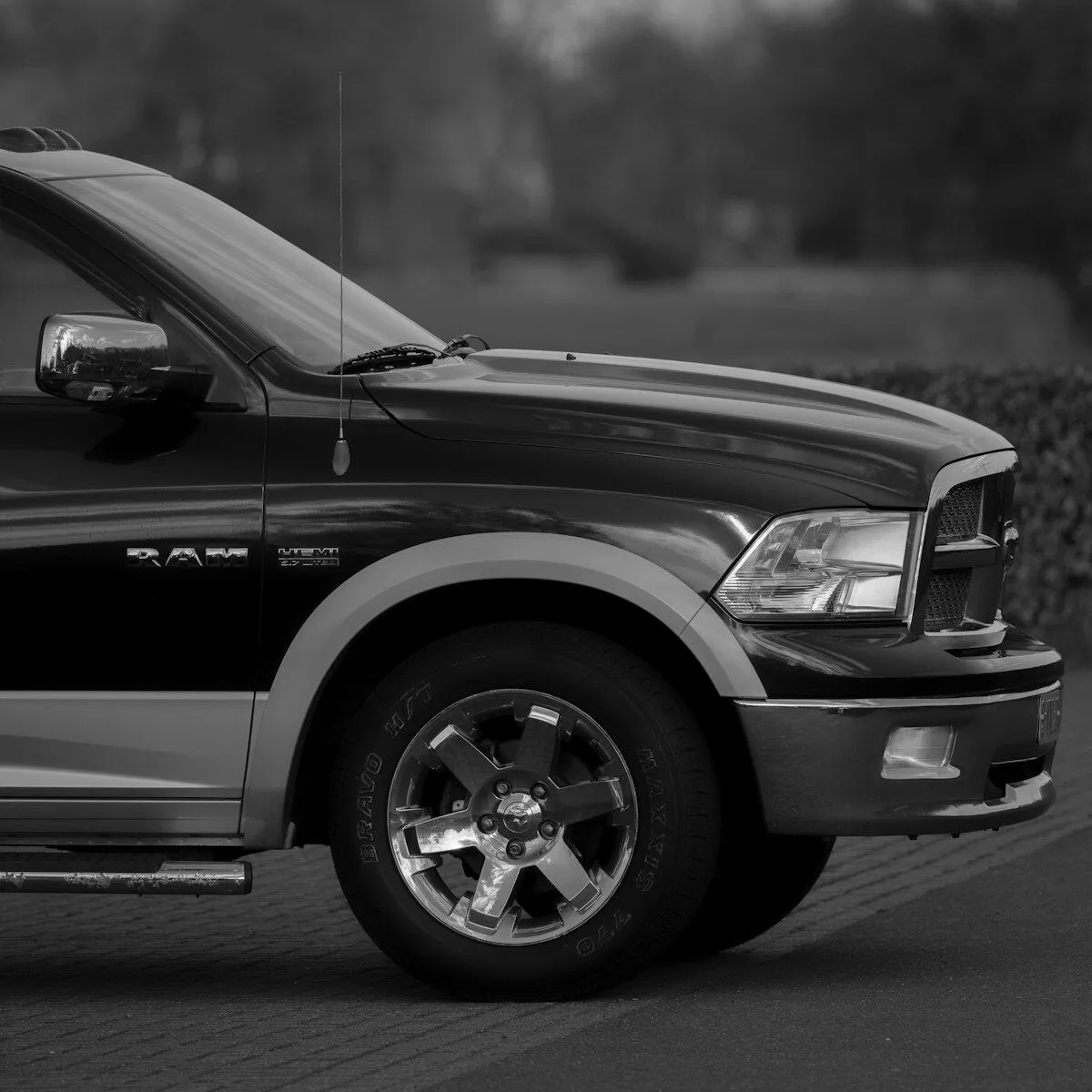
Ram 1500 owners have brought a federal class action lawsuit against FCA US LLC following alarming reports of trucks shutting off without warning while in motion. Filed in the U.S. District Court for the Eastern District of Michigan, the legal action centers on the control software managing Stellantis's 3.0-liter Hurricane twin-turbo six engine, which became standard for 2025 models after the retirement of the long-standing Hemi V8.
Plaintiffs Charlene Norberg and Tim Craig claim that powertrain control module defects trigger sudden misfires, power loss, and dangerous stalling incidents at highway speeds. According to the complaint, some affected vehicles unexpectedly drop into limp mode, heavily cutting engine output and creating hazardous conditions for drivers attempting to merge onto busy freeways.
Related Stories

Get the Latest Automotive & Sports News from Vince's Auto Body Inc
Receive the latest updates on automotive industry, football, basketball, economy, and technology news directly in your inbox. It's free!
SubscribeBoth plaintiffs experienced significant dealership runarounds before taking legal action, with technicians frequently unable to diagnose intermittent electronic faults or chasing symptoms by replacing major components like brake boosters without fixing the root cause. While the National Highway Traffic Safety Administration has not yet opened a formal investigation into the stalling defect, numerous consumer complaints point to persistent drivetrain management failures across multiple states.
The lawsuit outlines five distinct claims, including violations of state deceptive trade practices acts, breach of implied warranty, and fraudulent concealment, arguing that FCA should have known about software calibration vulnerabilities. If certified, the class action could compel Stellantis to issue comprehensive recalls, extend warranties, and reimburse affected truck owners nationwide.
What Owners and Prospective Buyers Need to Know
Vehicle owners currently driving an affected 2025 model do not experience immediate mechanical changes from the lawsuit alone, but legal experts advise maintaining meticulous records of any unexpected dashboard warnings, hesitations, or stalls. Establishing a concrete paper trail of dealership visits remains essential for both personal warranty protection and assisting federal regulators in establishing recognizable defect patterns.
Consumer advocates strongly encourage drivers to file direct reports with federal safety databases whenever unexpected propulsion failures occur, ensuring that safety regulators receive firsthand data rather than relying solely on dealership service logs. Prospective buyers shopping for pre-owned versions of these trucks are similarly urged to carefully review complete electronic service histories and software update records before finalizing any purchase.
Furthermore, owners considering aftermarket performance modifications through manufacturer-backed catalogs must exercise caution, as introducing performance upgrades onto an engine already scrutinized for software stability risks complicating future warranty disputes. The ongoing legal battle underscores the high-stakes gamble Stellantis took in phasing out traditional V8 powertrains in favor of complex, high-output forced-induction six-cylinder engines.
As the litigation moves forward, legal defense teams will likely challenge whether the plaintiffs can conclusively prove manufacturer awareness prior to public release, setting up a major courtroom test for corporate accountability. Ultimately, the outcome of this federal case could set a vital precedent for how automakers handle increasingly complex software-driven powertrain architectures across modern consumer vehicles.