
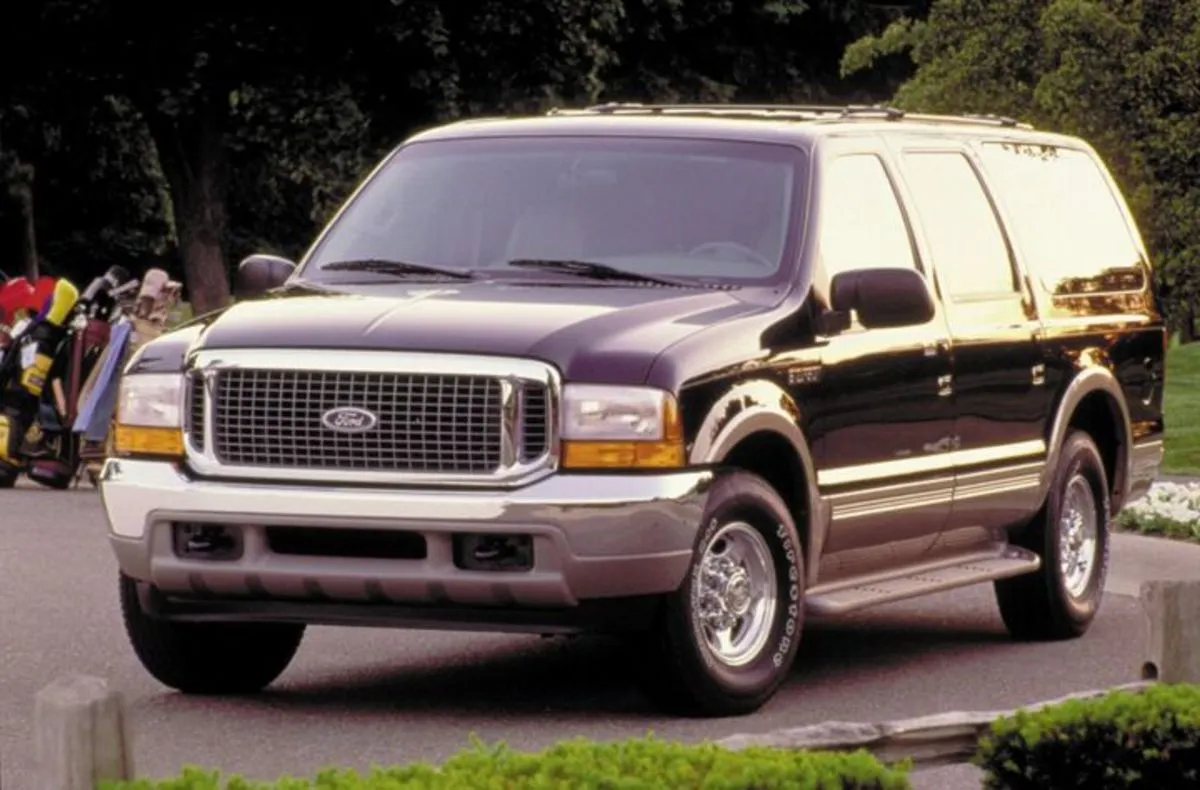
A growing and dangerous trend in suburban neighborhoods has seen parents handing newly licensed teenagers the keys to massive pickup trucks and heavy-duty SUVs under the guise of safety. The underlying rationale is straightforward yet deeply flawed, relying on the assumption that vehicle mass guarantees protection in a collision without considering the hazards posed by inexperienced operators.
Transport safety experts point out that putting a novice driver behind the wheel of a three-ton vehicle creates an entirely new set of risks on public roads. Rather than promoting genuine safety, this heavy vehicle arms race forces other drivers to constantly look out for oversized cars piloted by teens with barely dozens of hours of road experience.
Related Stories

Get the Latest Automotive & Sports News from Vince's Auto Body Inc
Receive the latest updates on automotive industry, football, basketball, economy, and technology news directly in your inbox. It's free!
SubscribeHistorically, automotive safety relied heavily on structural engineering, crumple zones, and innovative design concepts rather than sheer curb weight. Decades ago, families favored sturdy European wagons and sedans that offered calculated protection, a stark contrast to the modern caveman approach of simply buying the biggest vehicle available.
When families continually escalate vehicle size to out-mass neighboring cars, the logical endpoint leads toward absurdity, such as converting commercial semi-trucks into family transport. While satirical suggestions point to heavy tractors, the reality remains that massive curb weights do not automatically substitute for proper driver training and defensive skills.
Real Safety Solutions Beyond Curb Weight
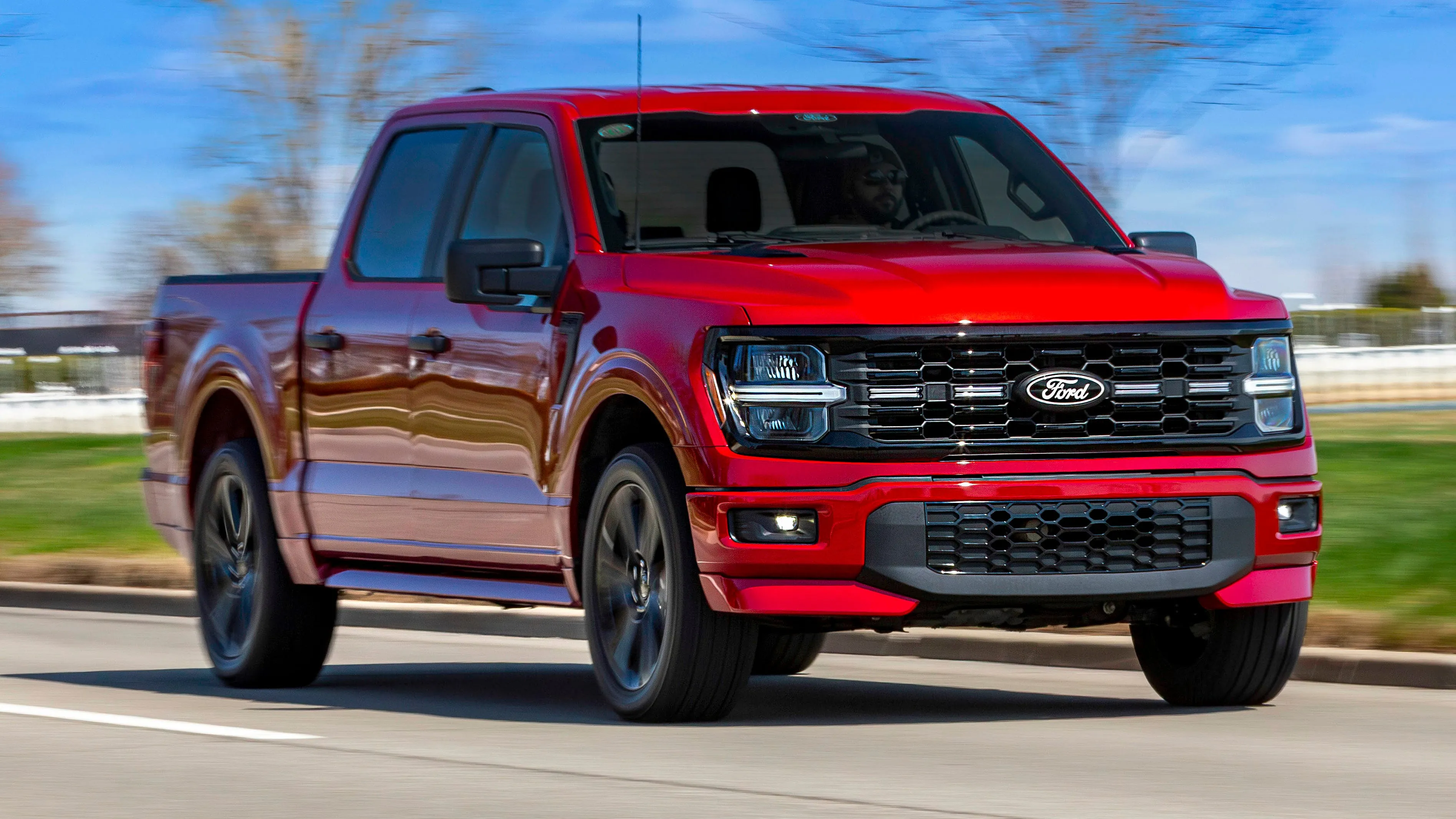
Industry watchdogs like the Insurance Institute for Highway Safety and Consumer Reports emphasize that genuine teen vehicle safety involves much more than just maximizing physical mass. Recommended starter vehicles typically feature solid small-overlap crash ratings and standard automatic emergency braking while maintaining manageable proportions.
Experts advise that prioritizing a vehicle's crash-avoidance technology and handling capabilities provides far better protection than simply opting for an intimidating domestic barge. Furthermore, thorough used car checks, including verifying open recalls via vehicle identification numbers, remain crucial steps for responsible buyers.
As modern traffic volumes increase, communities are beginning to push back against the unmonitored growth of large consumer vehicles on narrow residential streets. Addressing the root cause of teen driving safety requires proper education and structured mentorship rather than relying on heavy metal armor.
Ultimately, breaking the cycle of vehicular escalation requires a shift in parental mindset toward sensible, well-rated passenger cars. Safety on modern roadways depends on mutual accountability and smart engineering rather than an endless race to see who can drive the heaviest vehicle.