

The sedan automobile stands as one of the most recognizable and enduring vehicle body styles in global transportation history, characterized by its distinct three-box configuration separating the engine, passengers, and cargo compartments. Known as a saloon in British English, this passenger car has undergone a fascinating evolution in design, naming conventions, and structural styling since automakers first adopted the term over a century ago.
Tracing its lineage back far earlier than the automotive era, the word sedan derives from the 17th-century enclosed box known as a sedan chair, which was carried by porters using horizontal poles. Etymologists connect the term to the Latin word sedere, meaning to sit, reflecting a rich history of human-powered transport that preceded horse-drawn carriages and eventually motor vehicles.
Related Stories

Get the Latest Automotive & Sports News from Vince's Auto Body Inc
Receive the latest updates on automotive industry, football, basketball, economy, and technology news directly in your inbox. It's free!
SubscribeThe formal application of the term to automobiles emerged in 1912 when brands like Studebaker marketed their closed-body models as sedans, marking a pivotal shift in how manufacturers categorized passenger vehicles. Early innovations, including the 1911 Speedwell, helped solidify the standard three-box design that prioritized enclosed comfort and separate storage areas for everyday drivers.
International terminology highlights the diverse cultural footprint of the vehicle style, with American English utilizing sedan, British English favoring saloon, and German adopting Limousine. Meanwhile, romance languages such as French and Spanish rely on terms like berline and berlina, tying modern manufacturing directly back to the historic terminology of horse-drawn carriages.
Styling Variations and the Future of the Classic Car
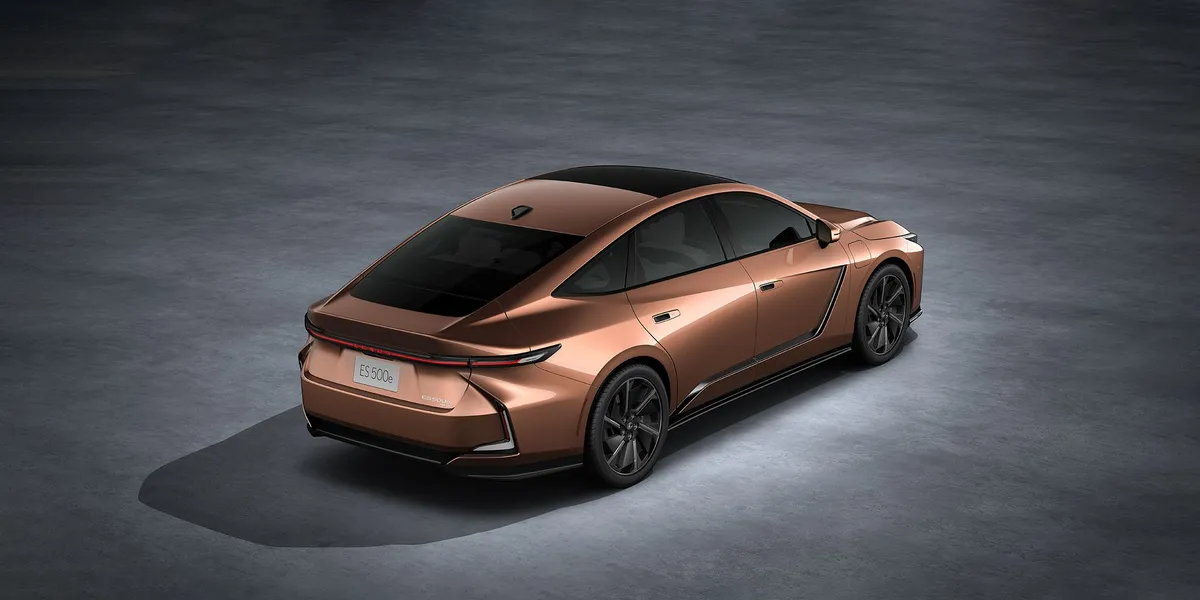
Over the decades, automotive designers have introduced numerous variations of the classic passenger car, ranging from two-door club sedans and hardtops without B-pillars to sleek fastbacks and modern hatchbacks. These styling shifts allowed manufacturers to experiment with aerodynamics, interior space, and aesthetic appeal to capture changing consumer preferences.
The post-World War II era brought radical aerodynamic concepts, such as Nash Motors" Airflyte design, which minimized wind resistance with a continuous, seamless profile. Later, the popularity of hardtop sedans in the United States during the 1950s through the 1970s showcased pillarless side glass designs that mimicked convertibles while maintaining a rigid fixed roof.
Safety regulations eventually reshaped the industry, leading to the phasing out of traditional hardtops following the implementation of stringent roof strength standards like Federal Motor Vehicle Safety Standard 216 in the United States. Despite these regulatory changes and the modern rise of SUVs and crossovers, automakers continue to reinterpret the timeless silhouette.
Today, the ongoing cross-pollination between traditional three-box configurations and modern fastback or coupe-like rooflines proves that the sedan remains a dynamic canvas for automotive engineering. Whether called a saloon or a sedan, this classic vehicle style continues to adapt to new eras of mobility and design innovation.