
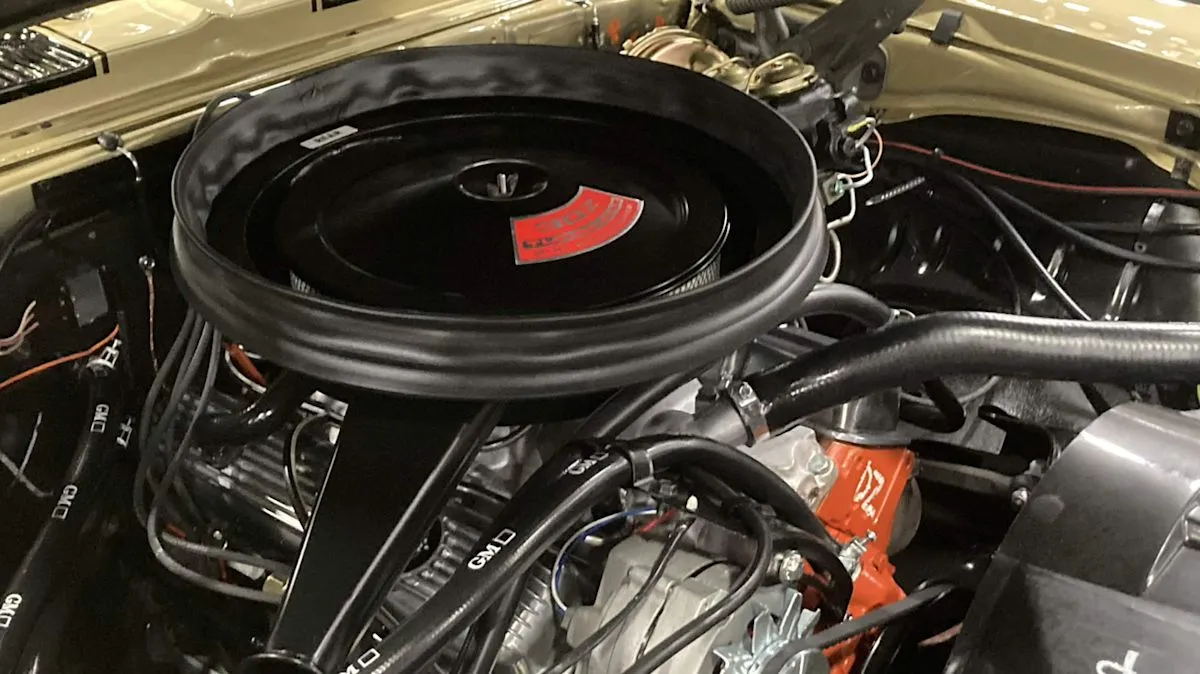
Small block V8 engines played a crucial role in the golden era of 1960s muscle cars, offering a brilliant balance of agility, lower weight, and precise handling that massive big block alternatives simply could not match. While the automotive landscape was obsessed with the mantra that "there is no replacement for displacement," car manufacturers frequently engineered vehicles prioritizing nimble driving dynamics over raw straight-line power.
A big block engine functions essentially as a massive lump of iron resting over the front axle, creating an extreme front-biased weight distribution. This heavy configuration makes vehicles prone to pushing hard into corners, making them less than ideal for circuit racing disciplines like the Sports Car Club of America competitions.
Related Stories

Get the Latest Automotive & Sports News from Vince's Auto Body Inc
Receive the latest updates on automotive industry, football, basketball, economy, and technology news directly in your inbox. It's free!
SubscribeIn contrast, small block configurations provided a lighter and more compact package that transformed classic nameplates into responsive machines capable of carving through turns with high precision. Iconic models equipped with powerplants like the 327 Corvette, 302 Mustang, and 340 variants proved that lighter weight translates directly to superior cornering capabilities.
Moreover, racing regulations and displacement caps in specific motorsport categories effectively mandated cubic-inch limits under 350 cubic inches, pushing engineers to maximize the efficiency and output of small block setups. These engines demonstrated that with proper tuning, a compact V8 could deliver thrilling performance without sacrificing the overall structural harmony of the automobile.
Engineering Balance Over Raw Displacement
Engineering a classic muscle car meant navigating constant compromises between brute force and mechanical equilibrium. Big blocks reigned supreme in drag racing and high-speed oval tracks where straight-line acceleration mattered most, but they introduced severe weight penalties that hindered overall vehicle responsiveness.
Choosing a small block meant mechanics and drivers gained an engine bay that was significantly easier to work on, alongside vastly superior parts availability and reduced upfront costs. These physical advantages allowed everyday driving enthusiasts to experience spirited handling dynamics without managing a front-heavy behemoth.
Automotive historians note that legendary small blocks, including high-performance iterations from the 1970s, pushed compact engine technology to remarkable heights while maintaining everyday drivability. Their lighter footprint ensured that suspension components experienced less wear, preserving the steering feedback essential for sports car enthusiasts.
Ultimately, the coexistence of both engine classes defined the golden age of American automotive engineering, proving that horsepower figures tell only part of the story when evaluating true driving pleasure.