
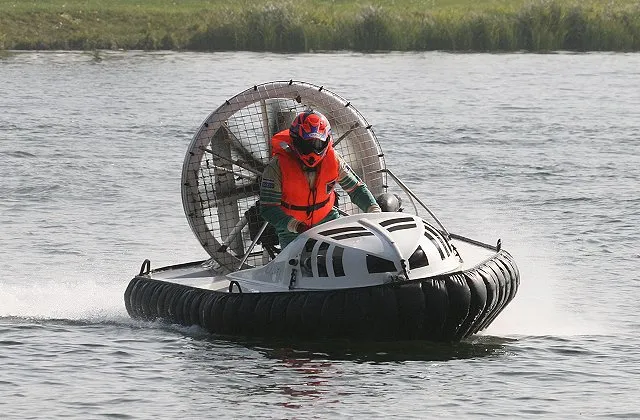
Amphibious vehicles represent a unique intersection of automotive and marine engineering, operating seamlessly across both land and aquatic environments. These versatile machines encompass a wide variety of forms, including specialty ATVs, robust trucks, combat vehicles, and recreational watercraft that redefine conventional transportation boundaries.
Early milestones in amphibious design trace back to the late 18th and early 19th centuries, featuring inventive concepts like Prince Raimondo di Sangro's amphibious carriages and Oliver Evans's steam-powered dredging barge. Throughout history, inventors continually experimented with waterproof hulls and modified drivetrains to conquer challenging terrain and open waterways alike.
Related Stories

Get the Latest Automotive & Sports News from Vince's Auto Body Inc
Receive the latest updates on automotive industry, football, basketball, economy, and technology news directly in your inbox. It's free!
SubscribeThe Second World War significantly accelerated the development of specialized amphibious cars, most notably the German Schwimmwagen and the American Ford GPA. These military innovations laid vital technical groundwork for post-war civilian adaptations, inspiring generations of engineers to pursue efficient recreational and commercial amphibian models.
Modern advancements have propelled amphibious technology into unprecedented territory, featuring high-performance vehicles capable of astonishing speeds both on highways and open water. Companies around the globe continue to push boundaries, delivering sophisticated models that cater to rescue operations, tourism, and enthusiast markets.
Engineering Marvels and Modern Commercial Success
Contemporary engineering approaches utilize lightweight materials, specialized buoyancy devices, and innovative propulsion systems to ensure optimal performance across diverse terrains. Whether employing water jets, traditional propellers, or specialized wheel configurations, modern amphibians maintain remarkable stability and control.
Commercial ventures have successfully introduced specialized amphibious buses and recreational cars to global markets, capturing the imagination of tourists and tech enthusiasts alike. Cities worldwide now feature guided amphibious tours, blending public transit with unique aquatic sightseeing experiences.
High-end manufacturers have shattered previous performance records, introducing commercial prototypes capable of reaching exceptional speeds and transitioning from land to sea in seconds. These breakthrough designs have found enthusiastic buyers among international dignitaries, emergency services, and luxury vehicle collectors.
As engineering techniques continue to evolve, the future of amphibious transport promises even greater efficiency, safety, and versatility. The enduring appeal of these dual-purpose machines underscores human ingenuity in overcoming traditional barriers between land and water.