
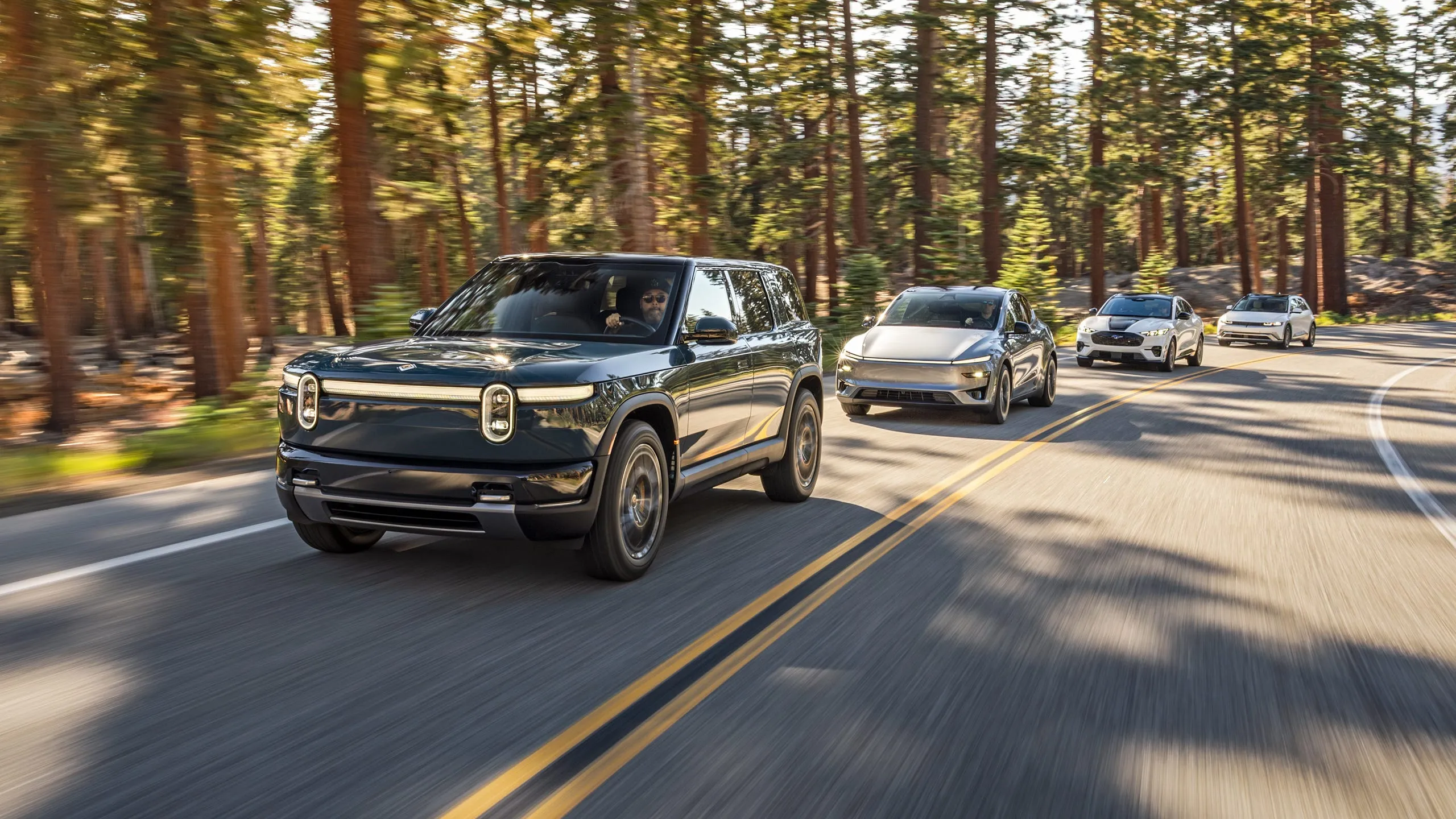
Rivian's anticipated R2 SUV has officially entered the ring, facing off against three of the market's leading electric vehicles in a grueling road-trip evaluation. Traveling toward Mammoth Lakes, California, automotive journalists put the newest contenders through rigorous testing across handling, comfort, range, charging speeds, and advanced cabin technology.
The competitive lineup featured top-tier trims, including a 656-horsepower Rivian R2 Performance AWD, a Tesla Model Y Performance, a Hyundai Ioniq 5 Limited, and a Ford Mustang Mach-E GT California Special. Each contender brought a distinct philosophy to the segment, ranging from futuristic family utility to high-octane muscle car heritage adapted for the electric era.
Related Stories

Get the Latest Automotive & Sports News from Vince's Auto Body Inc
Receive the latest updates on automotive industry, football, basketball, economy, and technology news directly in your inbox. It's free!
SubscribeInitial impressions highlighted the stark contrasts in interior design and user interfaces among the vehicles. While the Rivian adopted a minimalist layout with unique steering wheel halo rings, competitors like the Hyundai Ioniq 5 favored a balanced approach combining modern screens with tactile, conventional buttons and dials for ease of use.
Handling evaluations through winding mountain roads showcased the dynamic capabilities of each platform, with the R2 offering an entertaining, playful rear-end response. Meanwhile, efficiency and rapid-charging tests revealed significant differences in real-world usability during long-distance journeys across challenging terrain.
Putting Range and Charging to the Ultimate Test
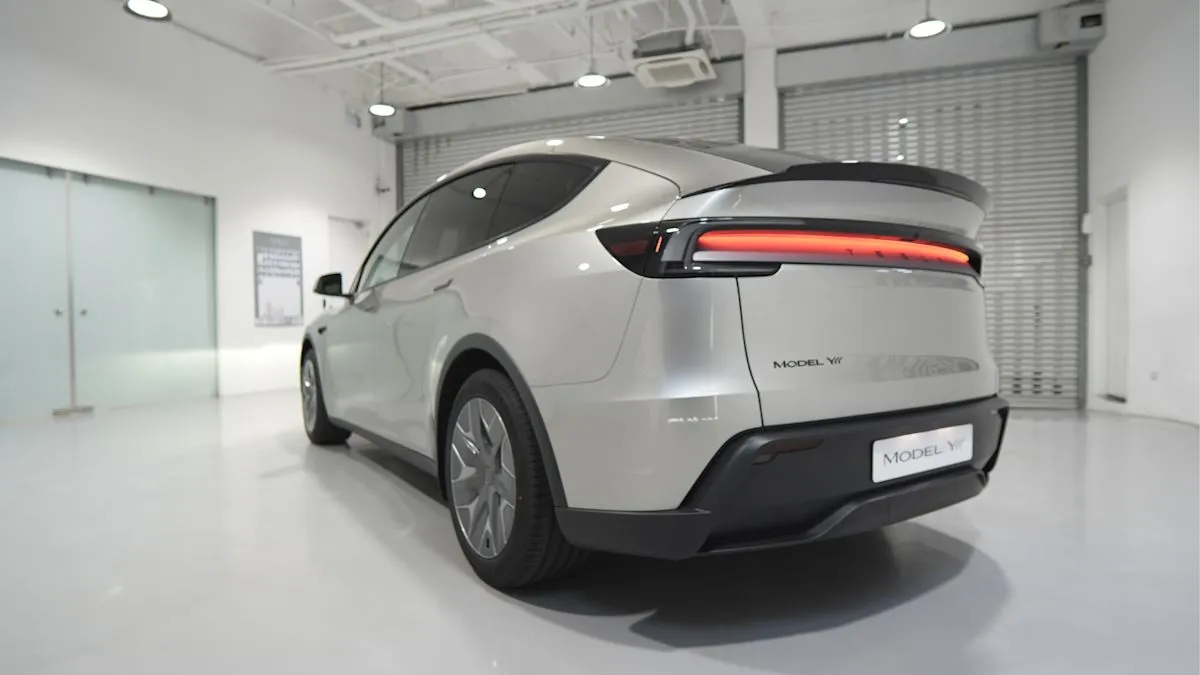
Long-distance driving trials exposed vital performance metrics regarding battery efficiency and real-world driving range for all four electric SUVs. Although the Rivian R2 boasted the highest EPA-rated range on paper, strict road testing showed varying degrees of deviation from manufacturer estimates.
Charging infrastructure performance also dictated the flow of the journey, with the Hyundai Ioniq 5 demonstrating impressive quick-charging capabilities that minimized downtime at plug stations. Conversely, other models required more extended charging intervals to sustain their battery levels through remote stretches of highway.
Cargo capacity and interior packaging further separated the competitors, as designers attempted to maximize passenger comfort alongside storage utility. Vehicles featuring upright, boxy dimensions generally secured advantages in vertical cargo space and passenger headroom over sleek hatchback silhouettes.
Ultimately, the comprehensive comparison test provided clear insights into how newcomer models stack up against established industry benchmarks. As automotive manufacturers push boundaries, consumers benefit from increasingly refined electric crossovers designed for everyday utility and weekend adventure.