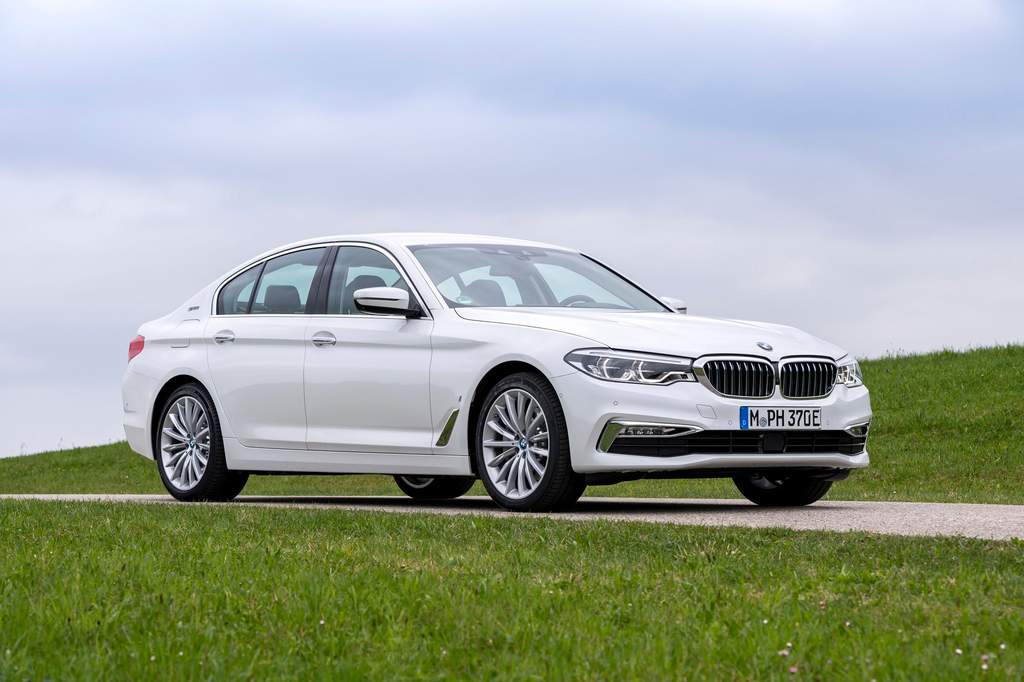
State Lab Tests BYD Second Gen Blade Battery
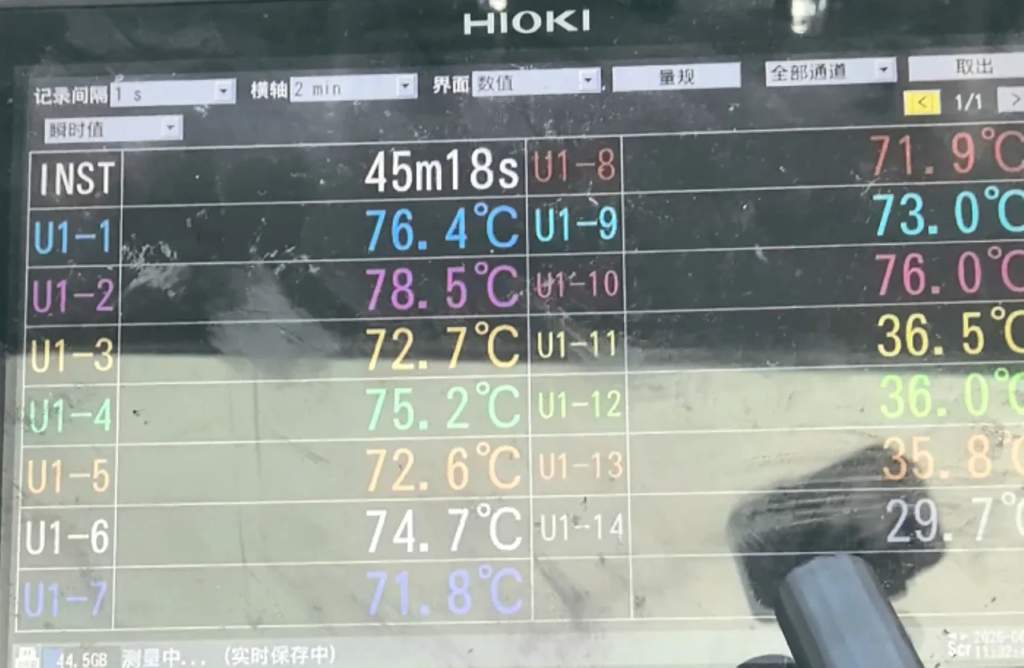
A Chinese state laboratory test of BYD's second-generation Blade Battery recorded a peak cell-surface temperature of 78.5°C.
A BYD Fang Cheng Bao Ti3 SUV undergoing flash charging tests
Teardown Blogger Seeks Independent Verification
Automotive media group Cai Shen Dao commissioned the Guolian laboratory to evaluate the battery. The group previously disassembled a BYD Blade Battery 2.0 pack to examine its structure. Their earlier independent tests raised questions about temperature spikes during fast charging.
The official laboratory test used a Fang Cheng Bao Ti3 Flash Charging Edition. The dual-motor model features a 78.72 kWh lithium iron phosphate pack. This SUV can produce a combined output of 310 kW.
Rapid Charging Reaches Peak Temperatures
The SUV charged from 7% to 97% capacity in 8 minutes and 32 seconds during the trial. Peak charging current reached approximately 1,200 amps. Physical probes attached to the cell surface recorded a maximum temperature of 78.5°C.
Outdoor temperatures during the test ranged from 29.0°C to 29.7°C. The high temperature highlights the intense thermal stress of ultra-fast charging. Automakers must carefully balance rapid charging with battery longevity.
Sensor Locations Explain Temperature Gap
The physical probe registered a temperature about 8°C higher than the vehicle's onboard management system. The car's battery management system reported a peak of 70.5°C during the same test. This difference triggered discussions among EV enthusiasts.
Experts clarified that the two systems measure different physical points. The laboratory probes measure localized heat directly on the cell surface. Meanwhile, the vehicle sensors monitor the broader battery pack architecture.
Read Also
Related Articles