
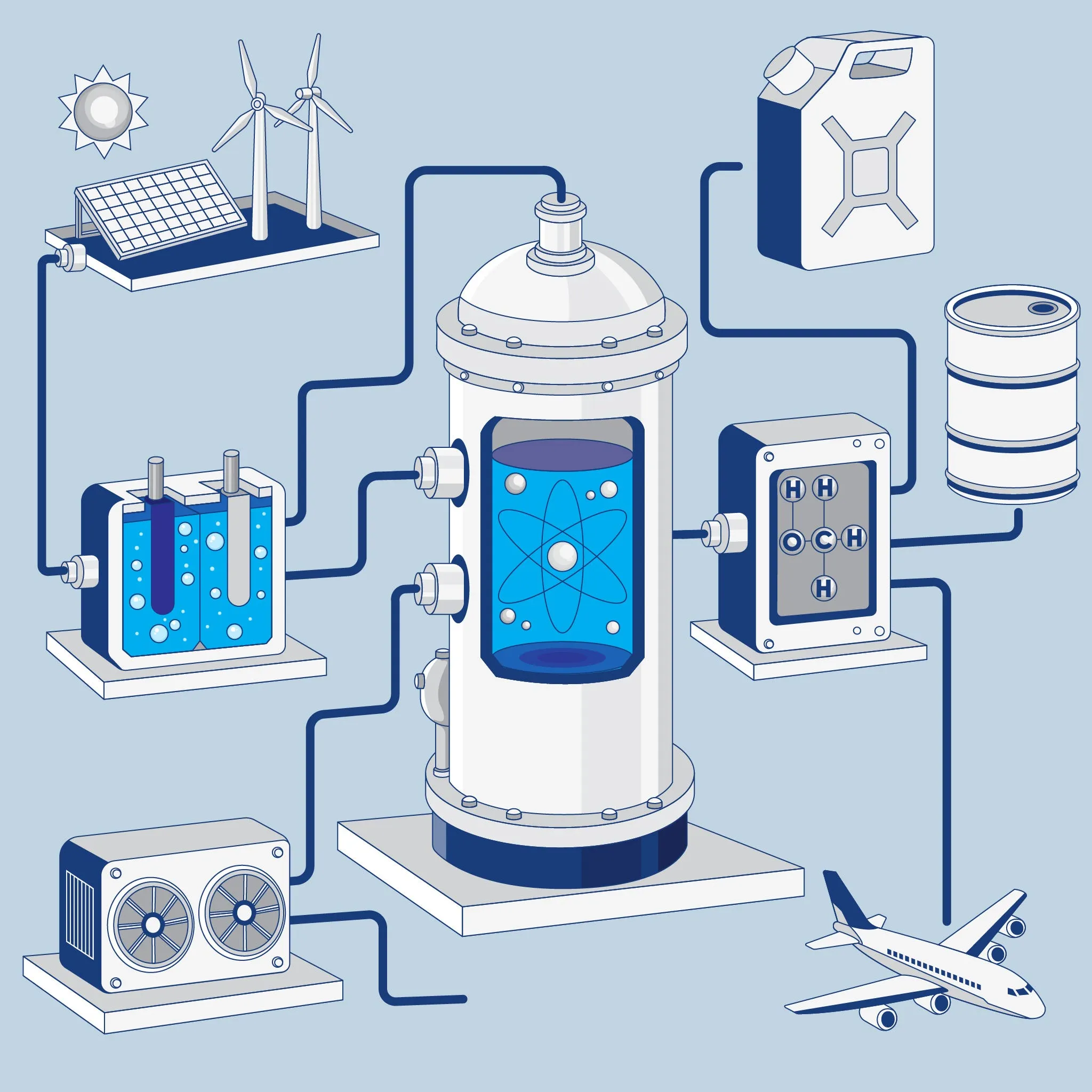
Synthetic fuel developments are reshaping the future of sustainable transportation as new manufacturing techniques promise to deliver eco-friendly alternatives at competitive prices. For years, the clean-burning fuels used in everything from high-performance racing to aviation have suffered from astronomical production costs, keeping them out of reach for everyday drivers.
Prometheus Fuels, a California-based startup backed by major automotive investors, has pioneered a novel method to capture atmospheric carbon dioxide and transform it directly into usable hydrocarbons. Utilizing proprietary catalysts and renewable electricity, the company's reactor converts carbonate salt solutions into kerosene and other blending components without requiring extreme heat or high-vacuum equipment.
Related Stories

Get the Latest Automotive & Sports News from Vince's Auto Body Inc
Receive the latest updates on automotive industry, football, basketball, economy, and technology news directly in your inbox. It's free!
Subscribe"The Prometheus process works at atmospheric pressure and ambient temperature, which reduces the cost of equipment and energy consumption compared to other alternatives," industry analysts note, highlighting the breakthrough approach to lowering manufacturing overhead.
With claims of harvesting atmospheric carbon for a fraction of traditional expenses and producing diesel for under five dollars per gallon, companies in the sector are inching closer to true market viability. If upcoming commercialization milestones are met, drivers could soon experience an affordable energy storage option free from the heavy geopolitical burdens of petroleum drilling.
Scaling Up Production and Commercial Hurdles Ahead
Scaling Up Production and Commercial Hurdles Ahead
Overcoming the formidable barrier of mass manufacturing remains the ultimate test for the burgeoning synthetic fuel industry, moving concepts from laboratory prototypes to commercial realities. While pilot facilities worldwide have successfully powered elite racing machines and commercial fleets, scaling these operations to match the output of traditional oil refineries requires unprecedented industrial investment.
Independent experts maintain a healthy level of skepticism regarding cost projections until large-scale projects successfully deliver on their ambitious multi-year delivery timelines. The upcoming commercial ventures slated for the late 2020s are expected to produce hundreds of thousands of tons of e-methanol annually, serving as a critical proving ground for widespread adoption.
Meanwhile, major infrastructure developments on the Gulf Coast are paving the way for high-volume facilities that could rival small petroleum processing plants in sheer output capacity. These fully permitted sites represent a monumental shift toward establishing a self-sustaining market driven by corporate partnerships and environmental mandates.