
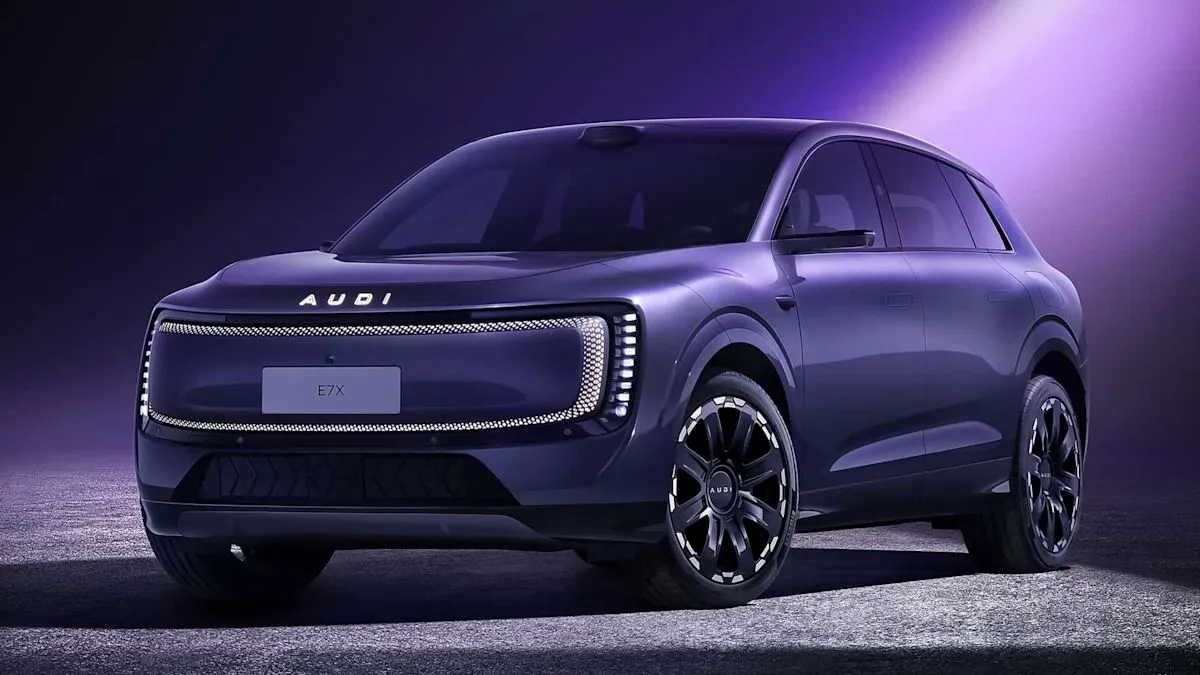
China exclusive Audi electric vehicles developed in partnership with SAIC under the capitalized AUDI marque are now finding their way onto European roads through independent import channels. The flagship E5 Sportback and E7X SUV models, originally engineered strictly for Chinese consumers, are being brought to Europe by firms like Auto China despite never being intended for sale outside of Asia.
The imported Chinese market models boast advanced specifications that outclass their European counterparts while maintaining a massive price advantage. For example, the dual motor E5 Sportback features a 776 horsepower powertrain and a 100 kilowatt hour battery, yet it undercuts the European-made S6 Sportback e-tron by roughly 28,000 euros despite the S6 offering a lower 543 horsepower output.
Related Stories

Get the Latest Automotive & Sports News from Vince's Auto Body Inc
Receive the latest updates on automotive industry, football, basketball, economy, and technology news directly in your inbox. It's free!
SubscribeA similar pricing discrepancy is evident in the SUV segment, where the China-built E7X starts at approximately 86,800 euros including shipping, registration, and value-added tax in Europe. In comparison, the smaller and less powerful Audi SQ6 e-tron starts at a higher 93,800 euros in Germany, making the imported alternative an increasingly attractive option for budget-conscious performance enthusiasts.
Despite the financial savings and included two-year warranties managed through independent repair networks, automotive experts warn of potential hurdles for owners. Key concerns include spare parts availability, unknown repair procedures, driver assistance systems calibrated strictly for Chinese roads, and the looming legal risks of copyright or distribution challenges from manufacturers.
Legal Risks and Technical Hurdles Loom for Importers

Operating Chinese-market vehicles on European pavement introduces distinct operational challenges, particularly regarding advanced driver assistance systems and digital ecosystems. An Audi spokesperson noted that the models rely on an Advanced Digitized Platform developed with SAIC that is deeply integrated into China's digital infrastructure, meaning sophisticated sensors and Lidar setups might not function optimally elsewhere.
Furthermore, long-term ownership stability remains uncertain given the lack of official manufacturer support and established supply chains for replacement parts. Industry veterans point out that manufacturers have historically cracked down on unauthorized parallel imports, citing a previous instance where Volkswagen successfully sued a dealer over imported ID.6 models.
"As a dealer, I would not bring vehicles from China," said Ansgar Klein, president of the Federal Association of Free Motor Vehicle Dealers. "Even if the lawyers give the green light, there remains a de facto residual risk regarding long-term compliance and support."
As early shipments of these unauthorized imports begin roaming German streets, prospective buyers must weigh the tempting price-to-performance ratio against the stark reality of navigating an entirely unsupported ecosystem in Audi's home territory.