
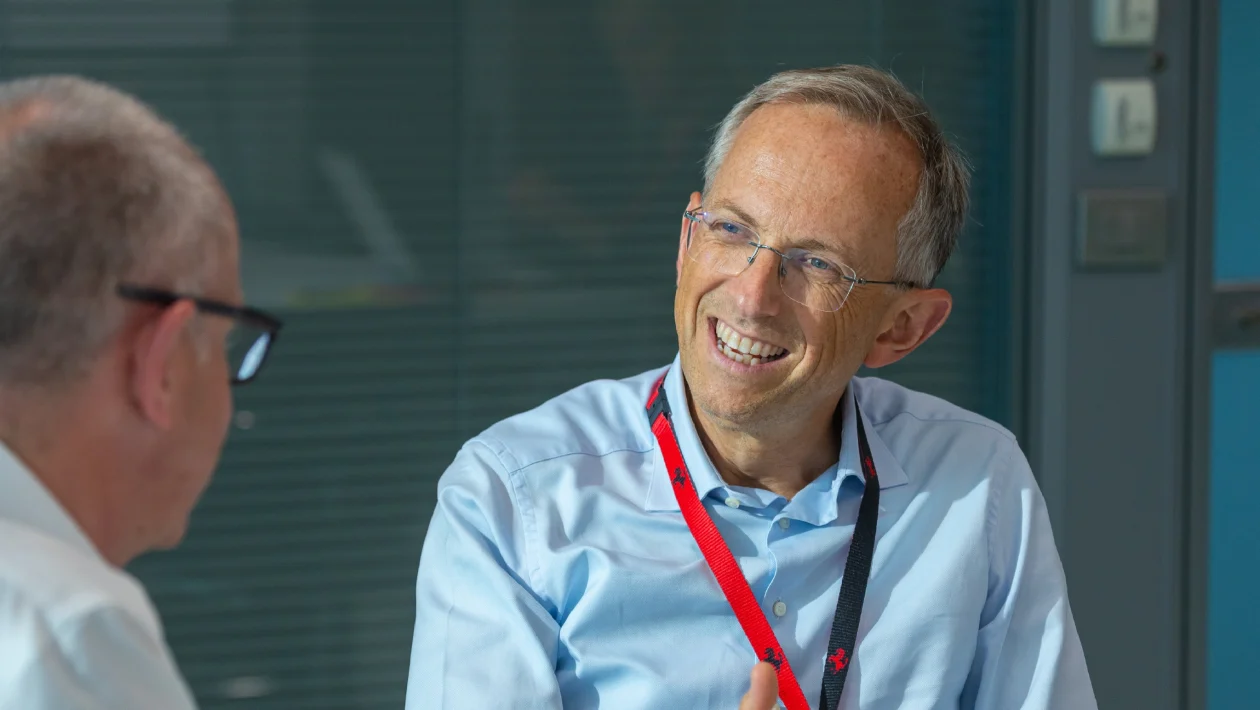
Ferrari CEO Benedetto Vigna addressed intense industry speculation surrounding the brand's direction following the recent debuts of the all-electric Luce and the manual 12 Cilindri. Despite initial social media skepticism and rumors about an exclusively electric future, Vigna emphasized that Maranello remains committed to offering internal combustion, hybrid, and electric powertrains side by side.
"Between May 25 and July 3, 2026, were the best 40 days of my working life," Vigna said, recalling the public reaction to the unveiling of the Luce EV and the subsequent reveal of the 12 Cilindri Manuale. "Everyone might have been saying it, but I never said we would only build electric cars. The public can have a short memory; thankfully ours is longer."
Related Stories

Get the Latest Automotive & Sports News from Vince's Auto Body Inc
Receive the latest updates on automotive industry, football, basketball, economy, and technology news directly in your inbox. It's free!
SubscribeVigna, who transitioned from the technology sector and STMicroelectronics to helm Ferrari in 2021, champions a philosophy of looking at the past through the eyes of the future. Rather than becoming a slave to technology, he stresses that innovation must stem from listening closely to what customers actually want rather than forcing redundant tools onto them.
This customer-centric philosophy directly inspired the development of the 12 Cilindri Manuale. After listening to clients yearning for a physical, tactile shifting experience, Vigna pushed engineering teams to revisit a manual transmission option despite previous internal claims that traditional manual setups were outdated and impossible for modern layouts.
Engineering the By-Wire Manual and Future Innovation
Engineering the By-Wire Manual and Future Innovation
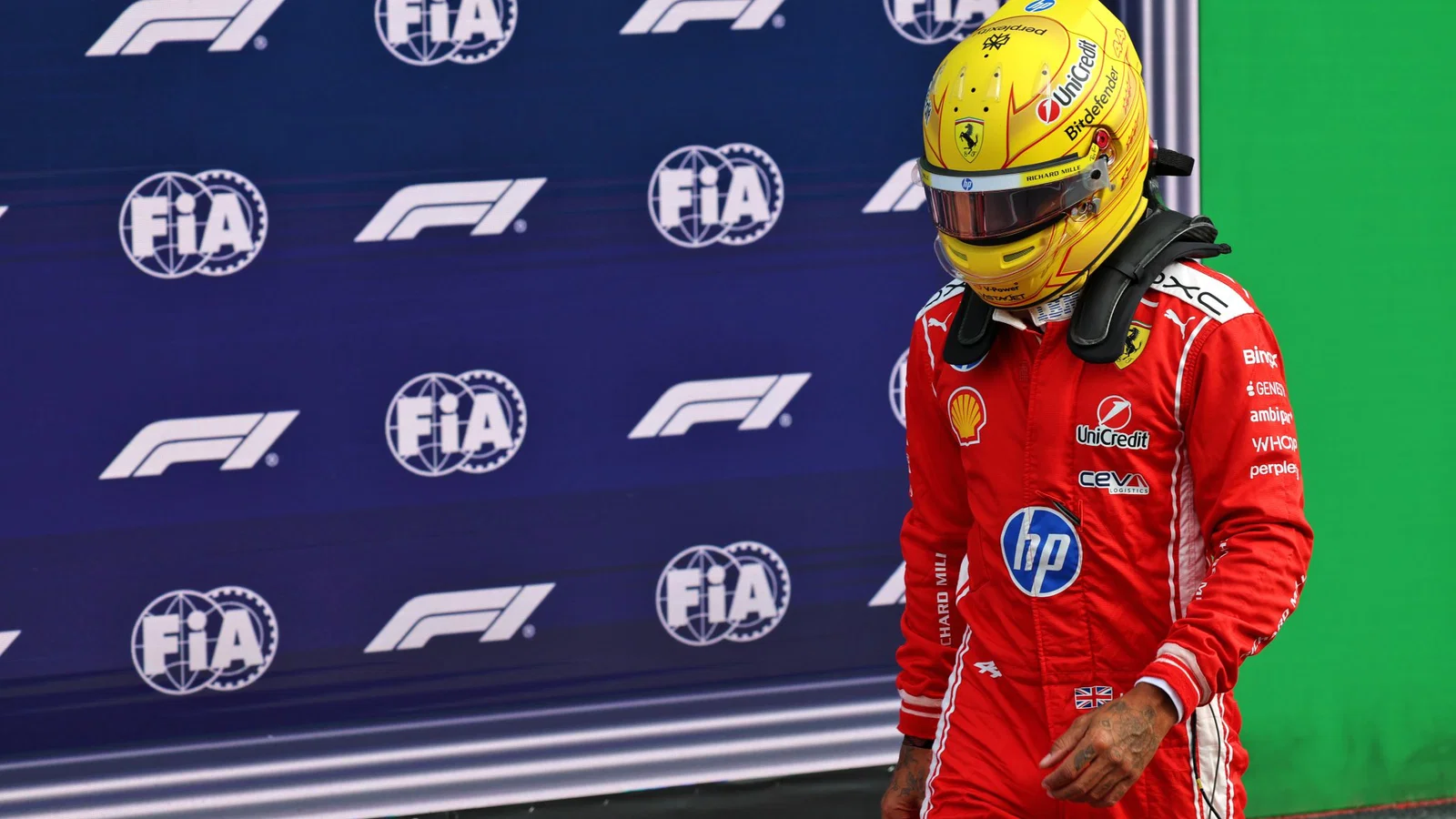
The result of this push is an innovative eight-speed by-wire manual transmission housed in the 12 Cilindri, featuring an open H-pattern gate and a mandatory third clutch pedal without a direct mechanical linkage to the dual-clutch transmission.
"We broke down what it was the customer wanted: a physical act of changing gear," Vigna explained. Pointing to modern aerospace and sailing applications developed by Ferrari, he noted that drivers do not question how steering or braking works by-wire, making a shift-by-wire system the logical next step.
When early prototypes were tested by twenty unsuspecting clients, none realized the system lacked physical rods or cables, universally praising the authentic connection it provided. Vigna noted that technology must serve as a functional tool rather than a restrictive religion defining a brand's product ecosystem.