
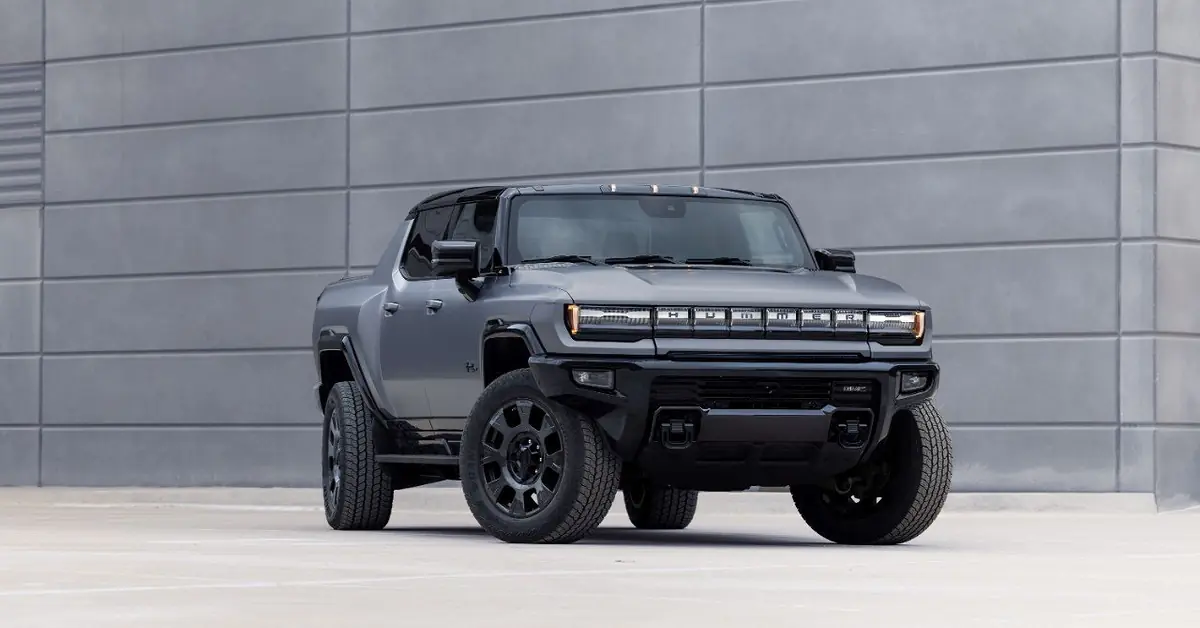
General Motors is reportedly suspending development of its next-generation electric vehicles, specifically targeting full-size trucks and large SUVs, according to recent industry reports. This strategic pivot follows nearly twelve months of production stalls and frequent shutdowns at the automaker's dedicated electrified vehicle facility, Factory Zero, fueling speculation about a broader pullback from heavy electrification.
The initial reports indicating that GM was indefinitely delaying development on flagship models like the GMC Hummer EV and Chevrolet Silverado EV surfaced from Automotive News. Insiders claimed that parts suppliers were notified of the program postponement, which would potentially impact upcoming refresh cycles for the fully electric GMC Hummer, GMC Sierra, Cadillac Escalade IQ, and Chevy Silverado.
Related Stories

Get the Latest Automotive & Sports News from Vince's Auto Body Inc
Receive the latest updates on automotive industry, football, basketball, economy, and technology news directly in your inbox. It's free!
SubscribeDespite the mounting industry speculation and supply chain rumors, General Motors has moved quickly to clarify that official development plans have not been entirely cancelled or indefinitely delayed. The automaker maintains that it remains committed to an all-electric vehicle strategy for the long term, even as market realities force a hard look at timelines and consumer demand metrics.
Industry analysts point out that lackluster sales volumes for oversized, high-priced electric trucks and SUVs have created a difficult financial environment for manufacturers. While smaller and midsize electric cars continue to enjoy steady adoption as daily commuters, massive 9,000-pound battery-electric utility vehicles often face steep pricing hurdles and limited consumer enthusiasm without heavy federal purchase subsidies.
Market Realities and the Future of Heavy Electric Trucks
Sales data from across the United States highlights the uphill battle facing heavy electric offerings from traditional Detroit automakers. While alternative full-size trucks like the Tesla Cybertruck recorded modest estimated sales through 2025, competitors like the Chevrolet Silverado EV and Cadillac Escalade IQ have seen slower rollout volumes and extended factory downtime.
Automotive industry experts suggest that any refreshed versions of GM's full-size electric line might now be pushed back toward the end of the decade, trailing behind new internal combustion engine variants. This timeline adjustment allows the manufacturer to better align vehicle production schedules with actual buyer interest rather than aggressive regulatory deadlines.
At the same time, automakers continue to eye software-defined vehicle architectures and connectivity ecosystems as lucrative avenues for long-term recurring revenue. By bundling advanced features into digital subscriptions and software packages, manufacturers hope to offset the high capital expenditures associated with platform electrification.
As General Motors navigates these shifting market dynamics, consumer advocacy groups emphasize that practical value, everyday utility, and pricing will ultimately dictate which powertrains succeed. For many everyday drivers, the steep upfront costs of luxury electric SUVs still do not outweigh the financial predictability of traditional internal combustion engines.