
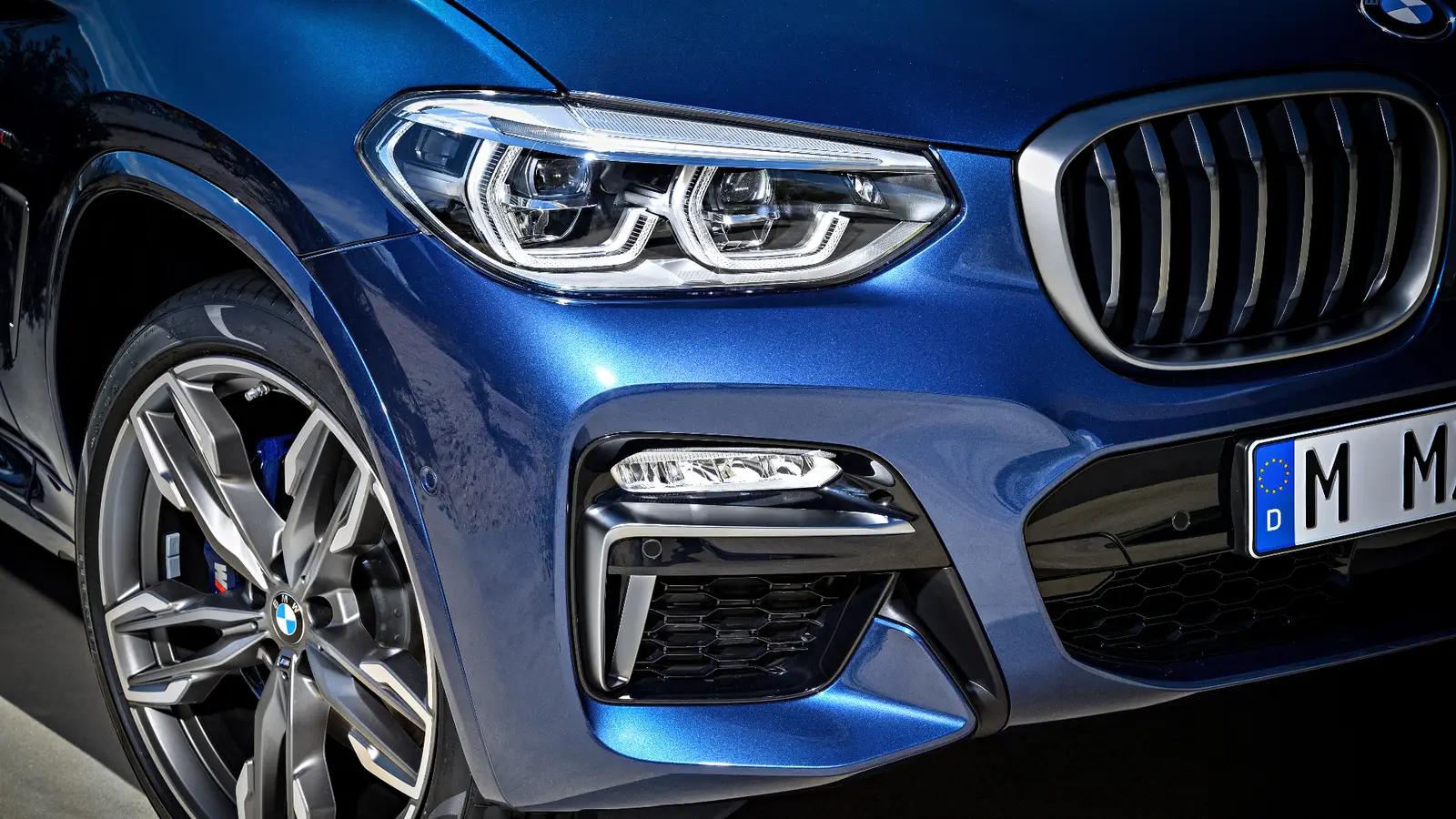
BMW X1 and X3 models represent a compelling dilemma for shoppers looking to enter the luxury SUV market without paying brand-new prices. While both vehicles carry the prestigious Bavarian badge, they cater to entirely different driving styles, platform layouts, and budget expectations.
"The BMW X1 vs X3 debate often centers on how much performance you actually need versus what you are willing to spend," automotive experts note when evaluating the distinct appeal of these two popular German crossovers.
Related Stories

Get the Latest Automotive & Sports News from Vince's Auto Body Inc
Receive the latest updates on automotive industry, football, basketball, economy, and technology news directly in your inbox. It's free!
SubscribeThe second-generation X1 relies on a front-wheel-drive architecture designed to maximize interior packaging and cargo capacity. However, despite cosmetic facelifts and practical dimensions, it ultimately functions as an entry-level commuter vehicle with a transverse layout.
In contrast, the third-generation X3 utilizes a rear-wheel-drive-biased platform engineered to deliver traditional driving dynamics and near-perfect weight distribution. This structural advantage gives the X3 a more dominant road presence and higher-grade cabin materials.
Powertrain Performance And Reliability Differences
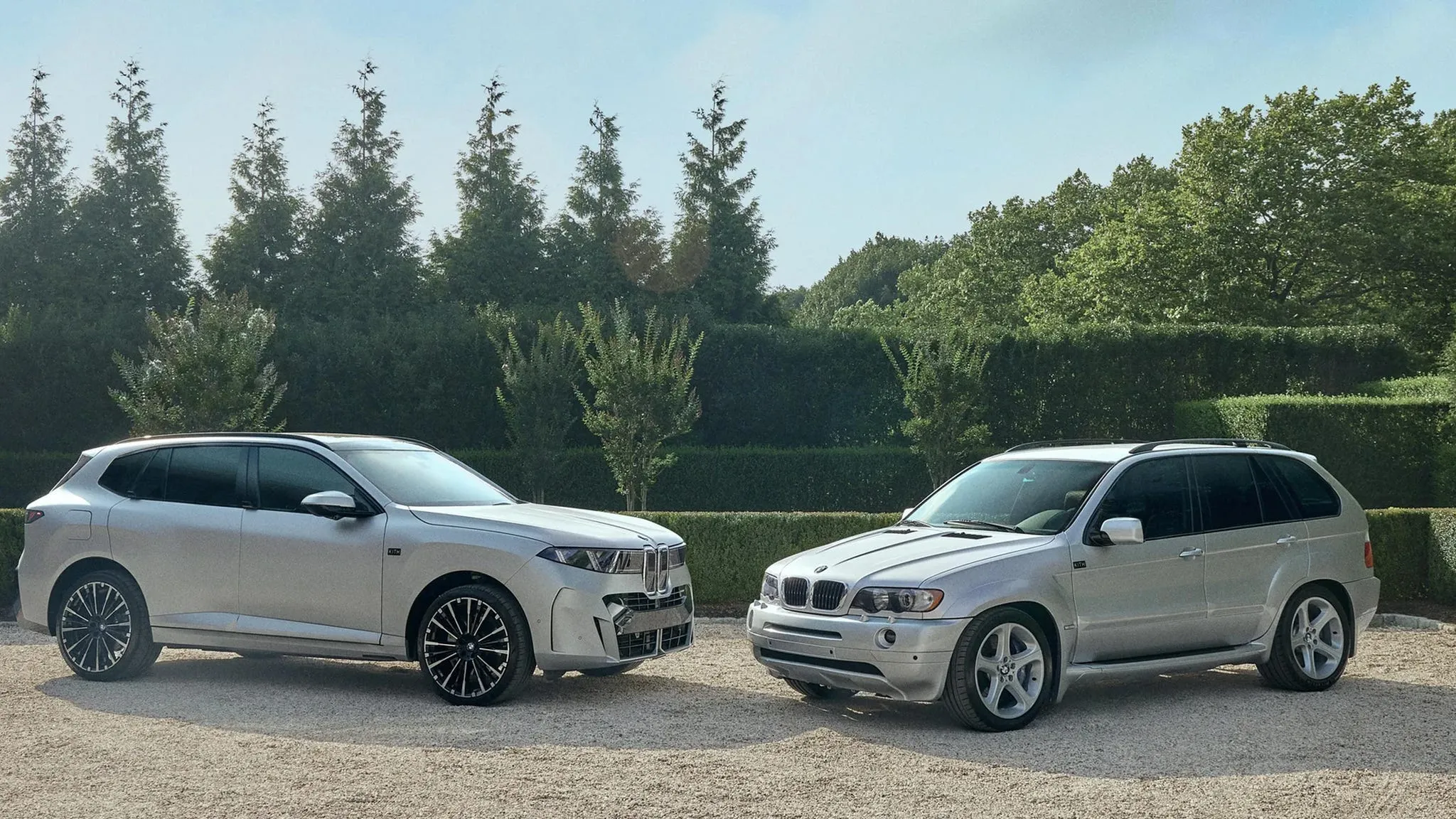
Prospective buyers must weigh these structural differences carefully before committing their funds, as the mechanical experience between the two crossovers varies significantly across daily driving conditions.
Powertrain options highlight a major chasm in performance capabilities when comparing the entry-level crossover to its larger sibling. The X1 relies exclusively on a 2.0-liter turbocharged four-cylinder engine paired with an Aisin eight-speed automatic transmission.
Meanwhile, the X3 offers a much more diverse portfolio, culminating in the legendary B58 inline-six engine found in the M40i models. This performance variant completely transforms the driving experience with rapid acceleration and a superior ZF transmission.
Reliability also plays a critical role in the pre-owned market, with both models sharing common vulnerabilities like plastic oil filter housing degradation and cooling system wear. Routine maintenance checks remain essential for avoiding expensive European repair bills.