
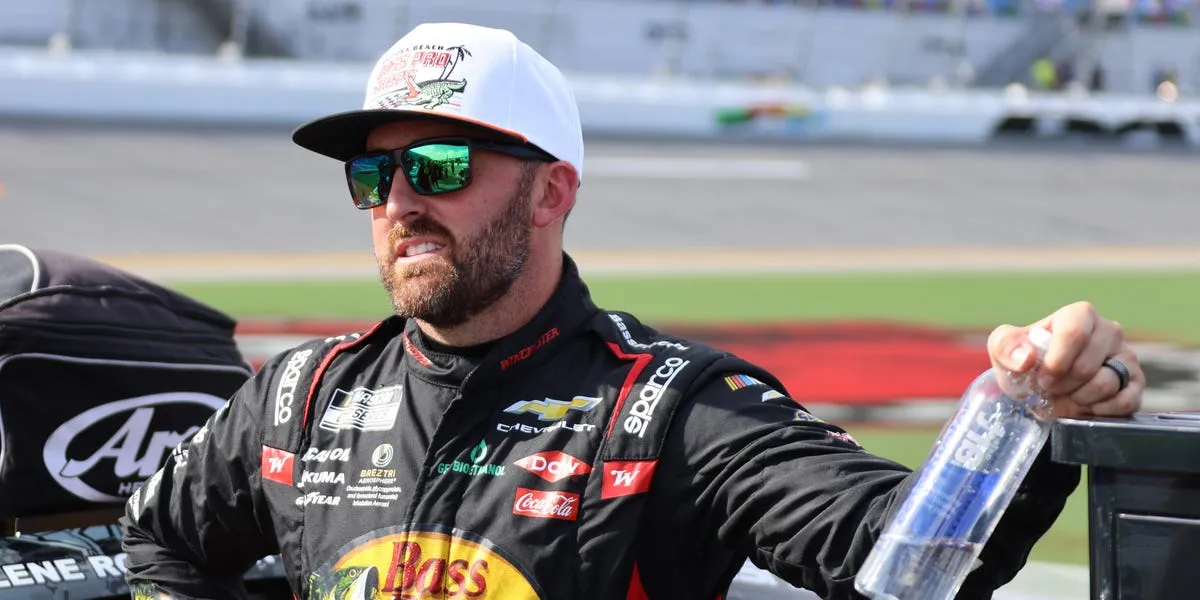
NASCAR Cup drivers head into the Daytona regular season finale facing an unprecedented challenge with a brand-new superspeedway package and zero practice sessions to prepare. The Coke Zero Sugar 400 at Daytona International Speedway has competitors racing blind into the unknown, raising concerns across the garage about handling, tire wear, and pack dynamics.
"I think the way that first Stage plays out is kind of a perfect warm-up, a perfect playground for trying to figure out what we've all got," said Team Penske driver Austin Cindric, who believes the opening 35-lap Stage will serve as a high-stakes testing ground since fuel conservation won't immediately dictate strategy.
Related Stories

Get the Latest Automotive & Sports News from Vince's Auto Body Inc
Receive the latest updates on automotive industry, football, basketball, economy, and technology news directly in your inbox. It's free!
SubscribeThe major technical shakeup announced by NASCAR features a rear spoiler shortened from seven inches to four and horsepower reduced from 510 to 465, alongside wide splitter stuffers reminiscent of intermediate tracks. NASCAR Event Management President John Probst previously stated that simulations project reduced drag and improved passing opportunities without heavy reliance on fuel-saving tactics.
Despite reliance on advanced simulator programs during factory preparation, drivers remain skeptical about how closely digital models will mirror on-track reality. "We study data. We study information, but... it has happened several times in the past where we study all these different things and then sometimes the numbers, the data, doesn't match exactly with real life," noted Trackhouse Racing driver Daniel Suarez.
Drivers Brace for Unknown Dynamics at Daytona
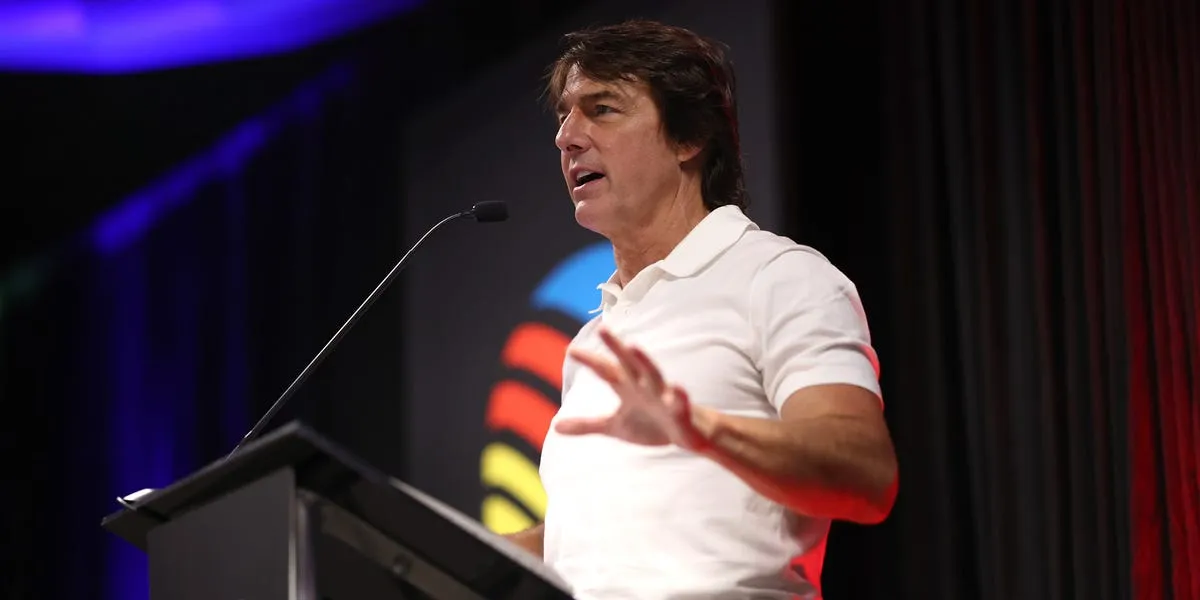
Veterans like Denny Hamlin suggested that a limited practice session would have helped teams understand how the new aerodynamic configuration affects car behavior in close-quarters drafting. With the green flag set to wave on Saturday night, the intensity of the race will ultimately hinge on how quickly drivers can adapt their comfort levels to the unpredictable machinery beneath them.
Competitors acknowledge that the lack of track time prior to the race will likely create a wide spectrum of setups and driving styles throughout the field. Austin Hill expressed anxiety over the conflicting strategies that teams might deploy during the high-speed event.
"There's a lot of different agendas," Hill remarked. "You're gonna have guys that are fully trimmed out for just straight raw speed, and you're gonna have guys that are full downforce and won't have a lot of balance in their car."
Austin Dillon echoed similar sentiments, emphasizing that computer data can only provide a baseline until actual competition gets underway on the asphalt. The unpredictability of whether the field will form a tight pack or spread out across the track adds another layer of complexity to the regular season cutoff race.