
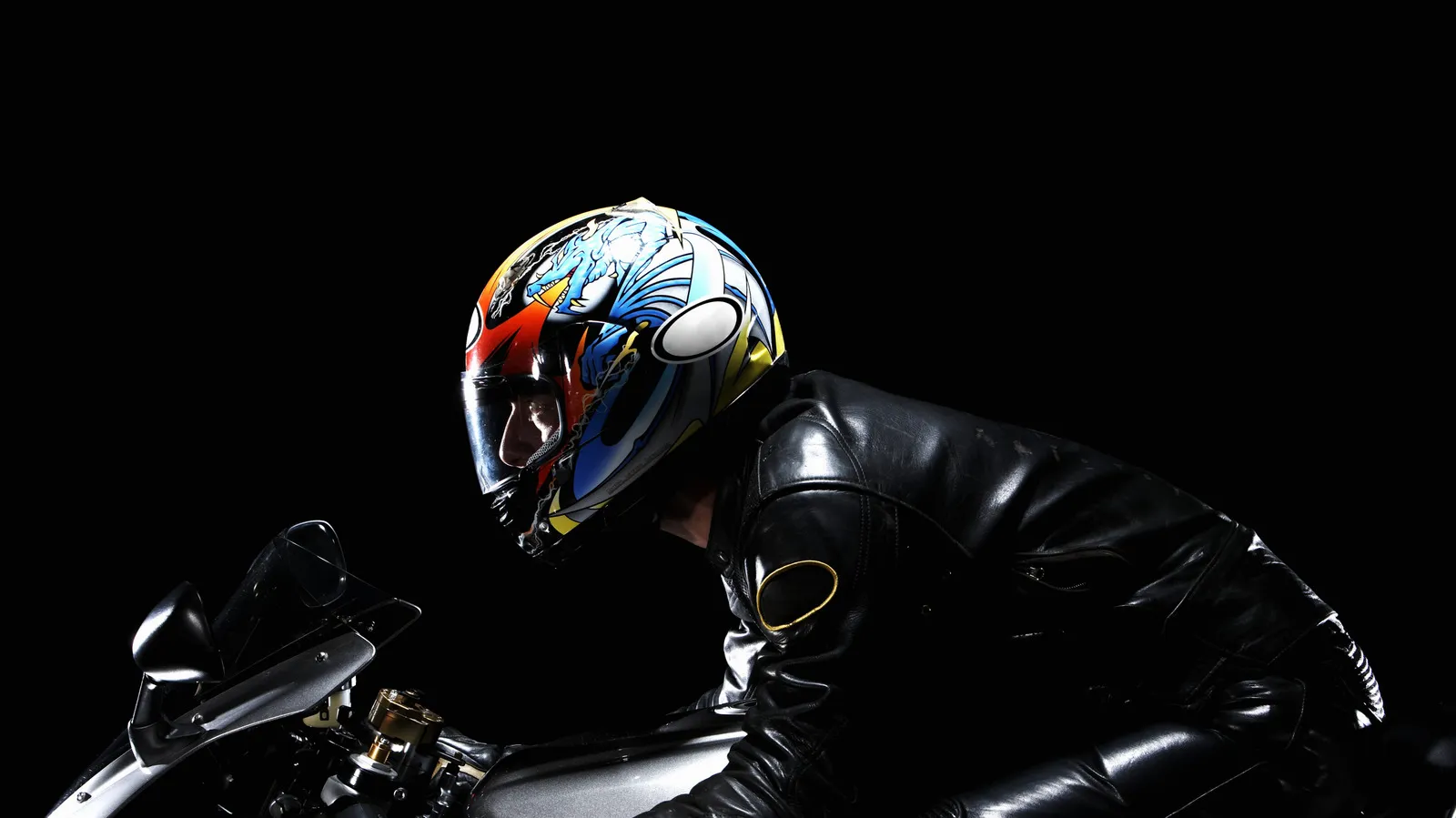
Motorcycle helmet use in professional or sanctioned car racing events is almost universally prohibited, despite riders often assuming high-end road gear is interchangeable. Track organizers enforce strict regulatory standards that mandate specific automotive-rated gear rather than standard street-legal equipment.
The fundamental difference lies in certification labels managed by testing organizations like the Snell Foundation. While an expensive, full-face motorcycle helmet may boast a DOT label, competitive racing series require specialized automotive ratings to pass technical inspection.
Related Stories

Get the Latest Automotive & Sports News from Vince's Auto Body Inc
Receive the latest updates on automotive industry, football, basketball, economy, and technology news directly in your inbox. It's free!
SubscribeSanctioning bodies draw a hard line between equipment intended for two-wheeled street riding versus four-wheeled competition. Ignoring these specific rulebook requirements can lead to immediate disqualification before a driver even hits the pit lane.
Drivers must thoroughly consult event rulebooks rather than relying on retail marketing claims when purchasing safety gear. Organizations frequently enforce strict expiration windows for approved equipment, making pre-race inspections critical for compliance.
Different Crashes Demand Different Helmet Designs
Motorcycle and auto-racing helmets are engineered for entirely distinct crash environments and impact physics. Motorcyclists face exposure to wind noise, flying debris, and pavement slides, requiring helmets built for aerodynamic stability and wide peripheral visibility.
Conversely, an auto-racing helmet is designed for a driver secured inside a confined cockpit by a multi-point harness. During a severe collision or rollover, a driver is far more likely to strike interior safety components like roll cages, steering wheels, or window bars.
Fire protection represents another crucial divergence between the two categories. Automotive helmets frequently utilize flame-resistant interior linings such as Nomex, whereas street motorcycle helmets prioritize everyday comfort and sweat management.
Furthermore, racing helmets feature integrated threaded inserts designed to accommodate frontal head restraint systems like HANS devices. These specialized additions successfully limit catastrophic head and neck movement during violent high-speed frontal impacts.