
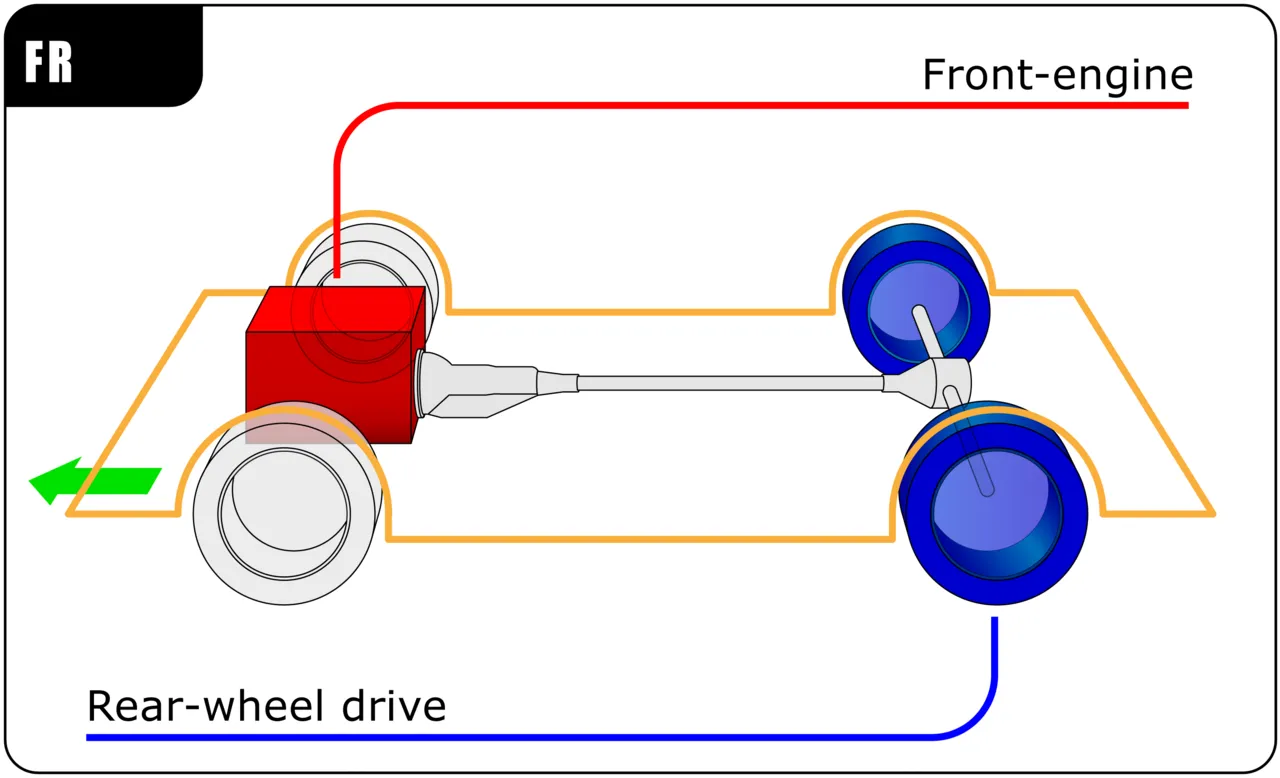
Front-engine, rear-wheel-drive layout, also known as the Système Panhard, represents a classic powertrain configuration featuring an engine positioned in the front and power sent to the rear wheels via a drive shaft.
This traditional arrangement, with the engine straddling the front axle, dominated automotive mechanical projects during the pre-1950s era and continues to serve utility purposes in trucks, pickups, and heavy-duty buses.
Related Stories

Get the Latest Automotive & Sports News from Vince's Auto Body Inc
Receive the latest updates on automotive industry, football, basketball, economy, and technology news directly in your inbox. It's free!
SubscribeAutomotive engineers and designers utilized this classic architecture to establish predictable handling characteristics and weight distribution that defined early motor vehicle development across global markets.
Vehicle enthusiasts often associate this layout with robust mechanical simplicity, which allowed manufacturers to streamline maintenance and optimize interior cabin space for passengers and cargo alike.
Understanding Front Mid-engine Rear-wheel-drive Layouts
Front mid-engine, rear-wheel-drive layout places the power plant in the front half of the vehicle but entirely behind the front axle to significantly enhance dynamic performance.
Shifting the center of mass rearward aids overall weight distribution and reduces the moment of inertia, which directly improves cornering agility and driver feedback.
Grand tourer models frequently adopt this specific configuration because it creates a distinct profile featuring a long hood and wheels pushed out toward the vehicle corners.
Although sharing mechanical similarities with standard FR platforms, these mid-engine variants offer refined handling dynamics prized by sports car manufacturers worldwide.