
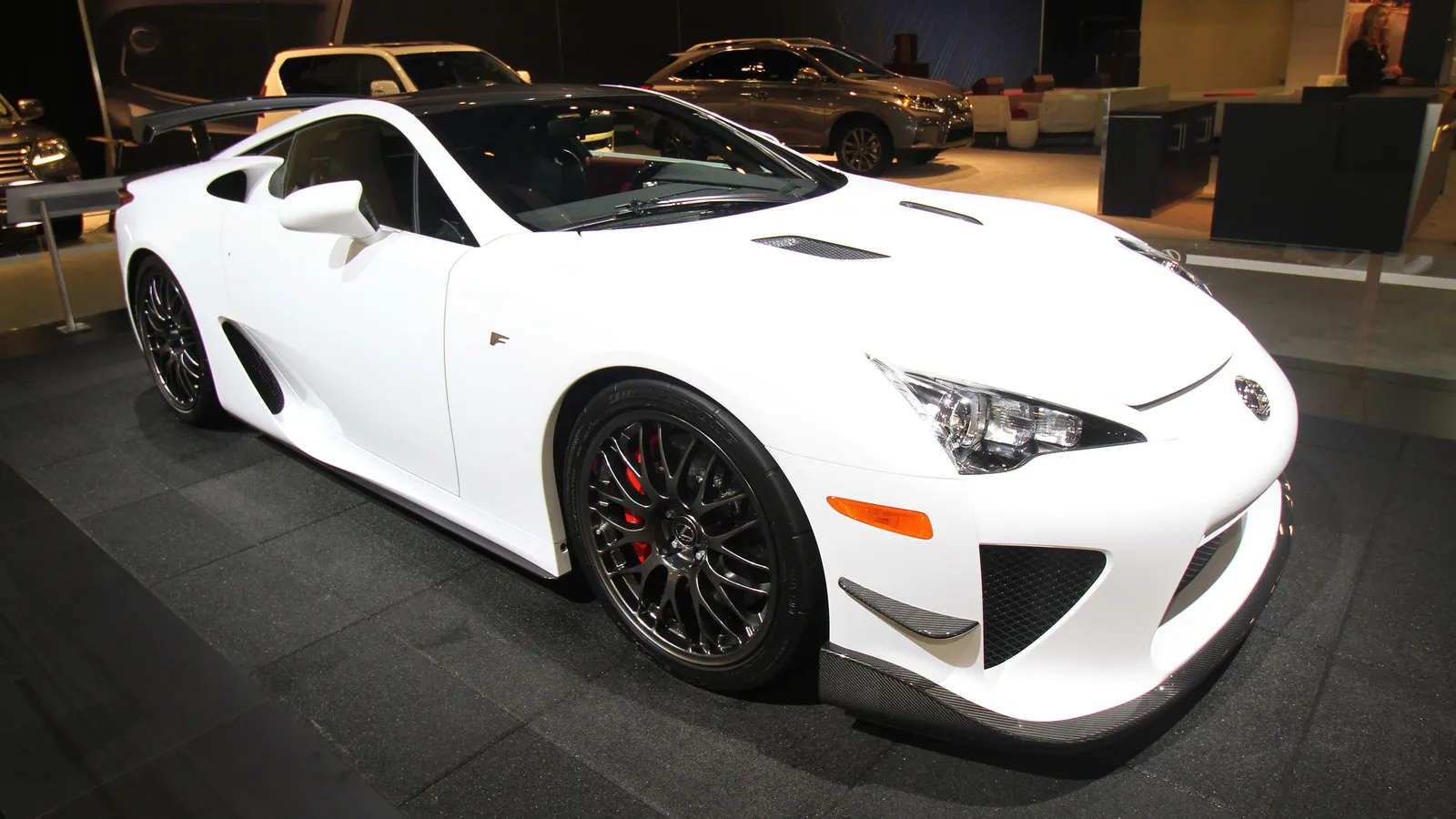
Lexus has established itself as a premier force in the automotive world, evolving from a strategic project under parent company Toyota into a symbol of refined luxury and sophisticated engineering. The journey began in 1983 with the "Circle F" project, led by Yukiyasu Togo, who recognized a critical gap for a true premium luxury brand to satisfy the sophisticated tastes of the aging baby boomer generation.
Since the debut of the groundbreaking LS 400 in 1989, the brand has consistently challenged European incumbents by prioritizing a unique production ethos. "What Toyota had going for it was a world-class production ethos and virtually unparalleled engineering prowess," industry analysts often note, highlighting the foundation upon which Lexus built its reputation for combining reliability with an increasingly bold design language.
Related Stories

Get the Latest Automotive & Sports News from Vince's Auto Body Inc
Receive the latest updates on automotive industry, football, basketball, economy, and technology news directly in your inbox. It's free!
SubscribeThe evolution of the brand is best viewed through its most iconic vehicles, which range from accessible vintage-feeling coupes to high-performance supercars. Models like the first-generation Lexus SC and the 2000 Lexus LS400 remain benchmarks for timelessness, proving that Lexus succeeded in creating machines that transcend temporary trends.
Today, the legacy of that initial vision continues through modern masterpieces like the LC 500, which serves as a testament to the company's commitment to visual drama. By diving into the archives, one can see how Lexus transitioned from imitating German competitors to defining its own distinct aesthetic identity in the luxury sector.
Design Milestones, Defining the Lexus Aesthetic
The brand's design narrative is underscored by specific models that pushed boundaries, such as the 2012 Lexus LFA. Despite a challenging production run and a high price point, the LFA remains a pinnacle of aesthetic refinement, with its F1-derived V10 engine and striking silhouette making it a coveted collector's item that has appreciated significantly in value since its launch.
In the sedan segment, the 2007 Lexus IS F and the 2015 Lexus GS demonstrate the company's ability to balance performance with an "understated elegance." While the IS F leaned into a aggressive, curvy sensibility meant to rival the BMW 3-series, the GS prioritized a more muscular, sophisticated profile that allowed the brand to compete effectively in the crowded mid-level sedan market.
Efficiency and style also converged in vehicles like the 2014 Lexus CT, which brought a premium hybrid experience to the compact market. Although reviewers sometimes debated its practicality, the CT proved that Lexus could apply its high-end design philosophy to smaller, functional vehicles without sacrificing the brand's identity.
Looking forward, the influence of the 2014 Lexus LC 500 is particularly telling, as it showcases the brand's integration of advanced multi-stage hybrid technology. This model not only turns heads with its futuristic lines but also serves as a testing ground for future electric vehicle ambitions, ensuring that the next generation of Lexus models will be as visually arresting as they are technologically advanced.