
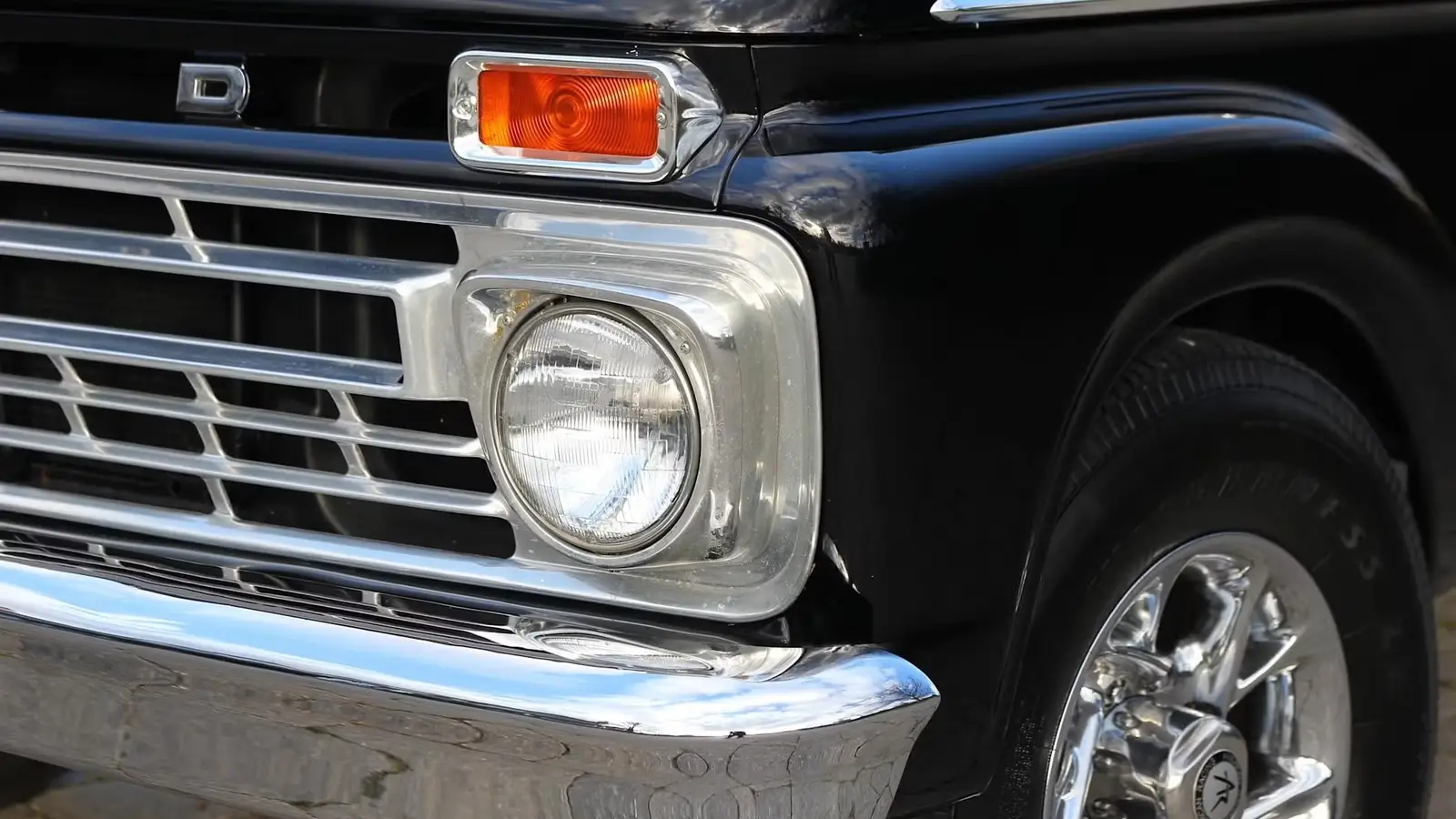
Ford F-250 Highboy trucks achieved their legendary lifted stance through a budget-friendly engineering workaround rather than cosmetic design choices. In the late 1960s, surging off-road demand forced engineers to transform 2WD pickups into 4x4 models under strict budget constraints and tight deadlines.
"Redesigning the entire transmission and drivetrain for 4x4 production was way too expensive," industry reports noted, explaining that the 2WD transmission lacked a built-in output to spin the front axle. To bypass frame restrictions affordably, engineers had to mount a divorced transfer case further back and raise the vehicle's body.
Related Stories

Get the Latest Automotive & Sports News from Vince's Auto Body Inc
Receive the latest updates on automotive industry, football, basketball, economy, and technology news directly in your inbox. It's free!
SubscribeThe mechanical layout required routing the front driveshaft under the bumper, which forced Ford to elevate the entire suspension. Higher factory suspension and rear lift blocks caused the classic 4x4 truck to sit significantly taller than standard two-wheel-drive models.
Despite bringing challenges like a higher center of gravity and increased stopping distances on factory drum brakes, the distinctive stance became an enduring symbol of rugged capability among truck enthusiasts.
The Legacy and Evolution of the Highboy
The unofficial Highboy moniker defines F-250 models built between 1967 and 1977 that feature the high-riding factory suspension. Collectors and enthusiasts continue to invest heavily to replicate or acquire authentic versions of these iconic vintage trucks.
"Legitimate F-250 Highboy trucks sell for between $10,000 and over $90,000, depending on condition and quality," automotive experts highlight, warning buyers to watch out for replicas capitalizing on the classic aesthetic.
Authenticating a genuine Highboy requires inspecting specific structural features, such as a separately mounted divorced transfer case, a narrow 33.5-inch frame width, and an in-cab auxiliary fuel tank positioned behind the front seat.
The Highboy era eventually concluded in 1977 with the introduction of the Lowboy, featuring a married transfer case bolted directly to the transmission, marking the end of an accidental engineering masterpiece.