
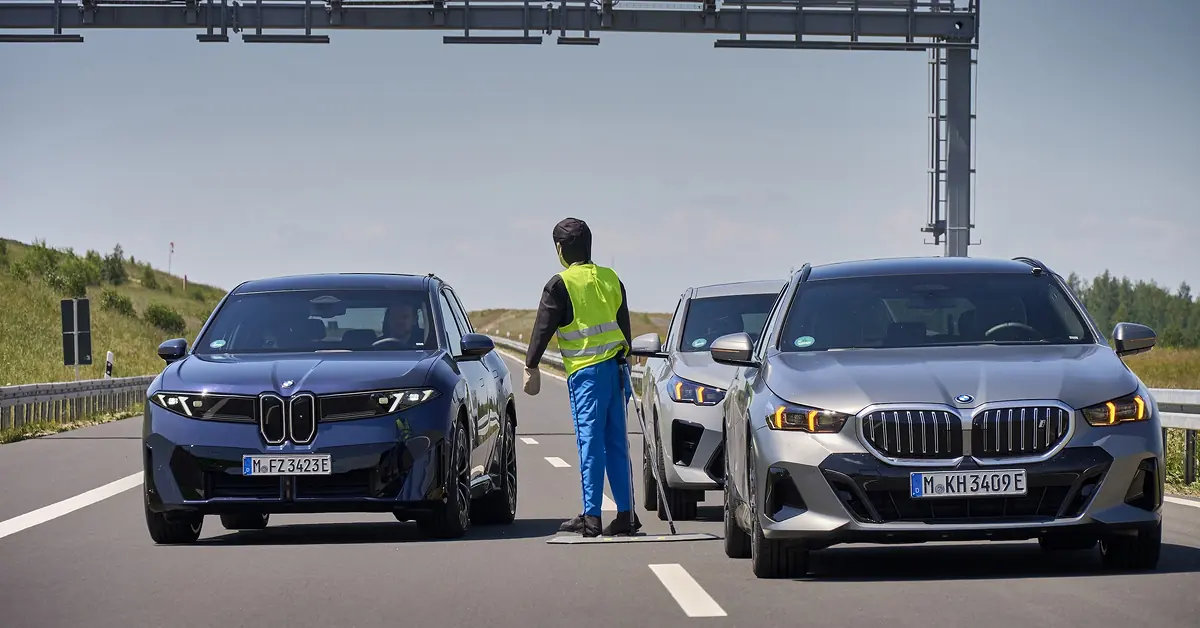
BMW is launching a fresh batch of active safety features as standard equipment as part of its major pivot to Neue Klasse vehicles. Rather than relying solely on traditional crash test improvements, the German luxury automaker is implementing proactive systems that allow the vehicle to make critical safety decisions independently, including a mechanism that physically prevents occupants from opening car doors if an obstruction is detected.
This strategic overhaul is largely driven by Europe's updated New Car Assessment Program standards, which place heavy emphasis on cabin monitoring via internal cameras and advanced accident avoidance interventions. Features such as automatic emergency braking and intelligent lane assistance are taking center stage as regulatory frameworks tighten across global markets.
Related Stories

Get the Latest Automotive & Sports News from Vince's Auto Body Inc
Receive the latest updates on automotive industry, football, basketball, economy, and technology news directly in your inbox. It's free!
SubscribeThe rollout will begin with the newly debuted BMW iX3, which recently secured a top five-star safety rating from Euro NCAP. Following the electric SUV, the advanced safety suite will cascade down into upcoming iterations of the BMW i3, X5, and flagship 7 Series models.
Among the standout inclusions is an enhanced Exit Warning function powered by vehicle radar. Unlike conventional systems that merely emit an audible chime to warn of oncoming traffic, BMW's technology can temporarily delay or inhibit the opening of the door if a passing cyclist or vehicle is detected in the blind spot.
Symbiotic Drive and Autonomous Intervention Systems
Complementing the exterior safeguards is the newly introduced BMW Symbiotic Drive system, designed to continuously monitor driver inputs and situational parameters to preemptively mitigate collisions. The software coordinates automatic emergency braking with an emergency steering intervention network capable of actively steering the vehicle around sudden obstacles like pedestrians or stray cyclists.
Furthermore, advanced driver monitoring instrumentation is integrated to detect signs of medical distress or severe driver impairment. If the system registers that the operator has become incapacitated, it can safely decelerate the automobile and guide it toward the highway shoulder.
To ensure real-world reliability, BMW has subjected these technologies to rigorous evaluation protocols at its Future Mobility Development Center located in Sokolov, Czech Republic. Company executives emphasize that testing under demanding conditions is vital for ensuring seamless coordination between hardware sensors and software logic.
While industry stakeholders debate the long-term impact of automated aids on human situational awareness, regulatory pressures mean automakers have little choice but to adapt. BMW maintains that its technology acts as an intelligent, discreet companion designed to enhance occupant safety without compromising the driving experience.