
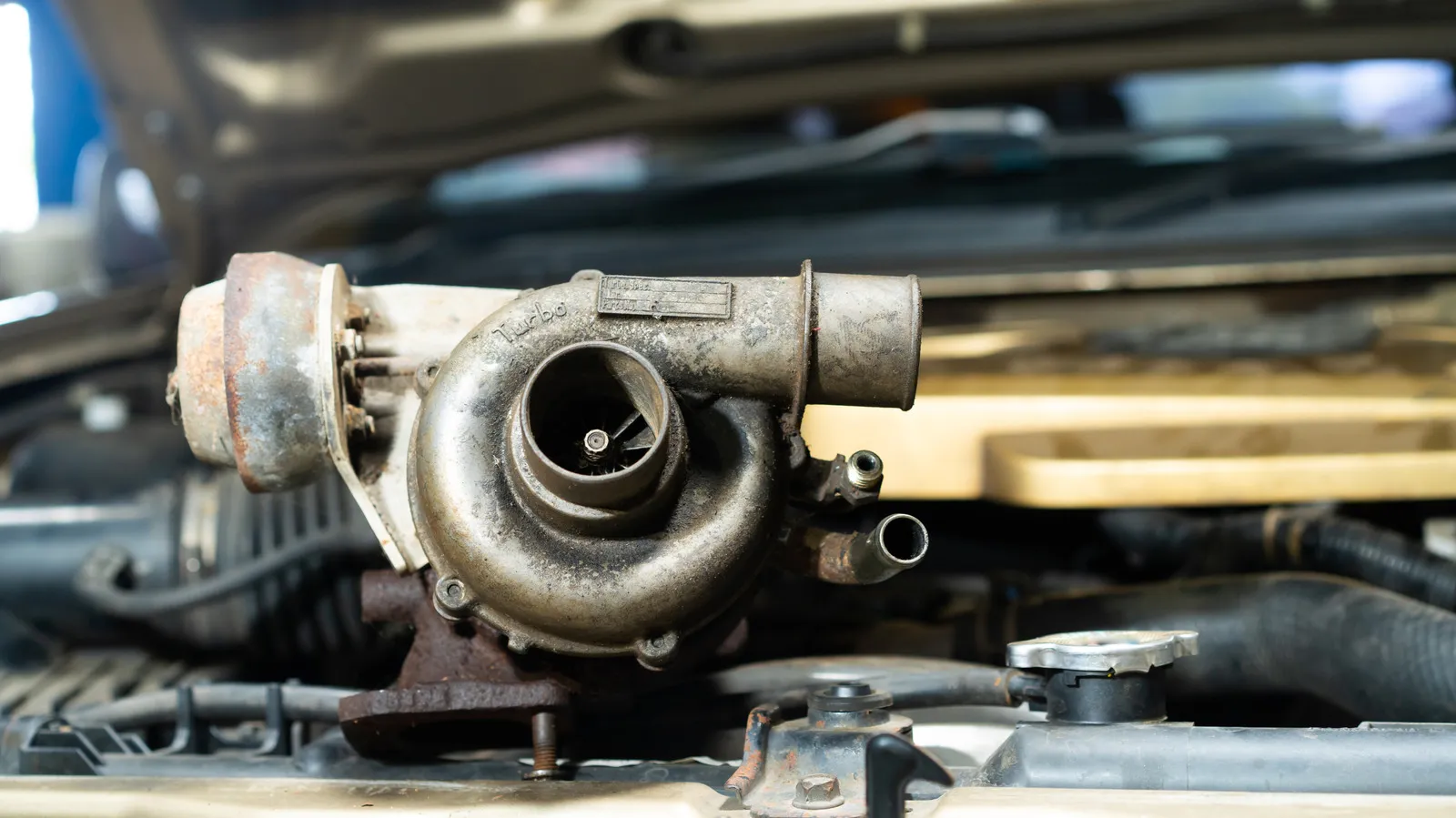
Turbocharger oil starvation remains one of the most critical mechanical failures threatening modern automotive engines, often resulting in catastrophic damage within seconds. Because these high-performance components spin at extreme velocities to generate power, an uninterrupted supply of proper lubrication is essential to prevent destructive metal-on-metal friction.
Automotive experts emphasize that even brief moments of restricted oil flow can compromise internal bearings and seals, leading to expensive repairs or total unit failure. Understanding the root triggers of this phenomenon is the first line of defense for motorists looking to protect their investment and ensure long-term vehicle reliability.
Related Stories

Get the Latest Automotive & Sports News from Vince's Auto Body Inc
Receive the latest updates on automotive industry, football, basketball, economy, and technology news directly in your inbox. It's free!
SubscribeCommon culprits behind oil starvation include clogged feed lines, blocked drain channels, and environmental factors such as freezing temperatures that thicken fluid before it reaches vital parts. Furthermore, improper installation techniques—such as using liquid silicone instead of proper gaskets—can inadvertently obstruct oil flow channels right from the start.
Preventative maintenance is vital for mitigating these risks, requiring vehicle owners to adhere strictly to manufacturer guidelines regarding fully synthetic oil and regular filter replacements. Routine professional inspections of oil inlet pipes and pressure systems help catch carbon deposits and blockages before they escalate into complete system breakdowns.
Preventing Turbocharger Damage Through Proper Maintenance
Preventing turbocharger failure requires a proactive approach to routine vehicle upkeep, starting with the selection of high-grade synthetic oils designed to handle extreme thermal loads. Standard conventional oils lack the necessary thermal stability to withstand the intense heat generated inside a working turbocharger.
Drivers should also remain vigilant about changing clogged air filters, which can create unintended vacuum effects that pull essential oil away from the turbocharger assembly. Regular professional checkups ensure that minor feed line restrictions or carbon buildups are addressed promptly through cleaning or replacement.
Coordinating with qualified mechanics during installation and major servicing guarantees that components are correctly primed and fitted without hazardous shortcuts. By following structured maintenance schedules, motorists can significantly extend the lifespan of their forced-induction systems and avoid costly mechanical disasters.