
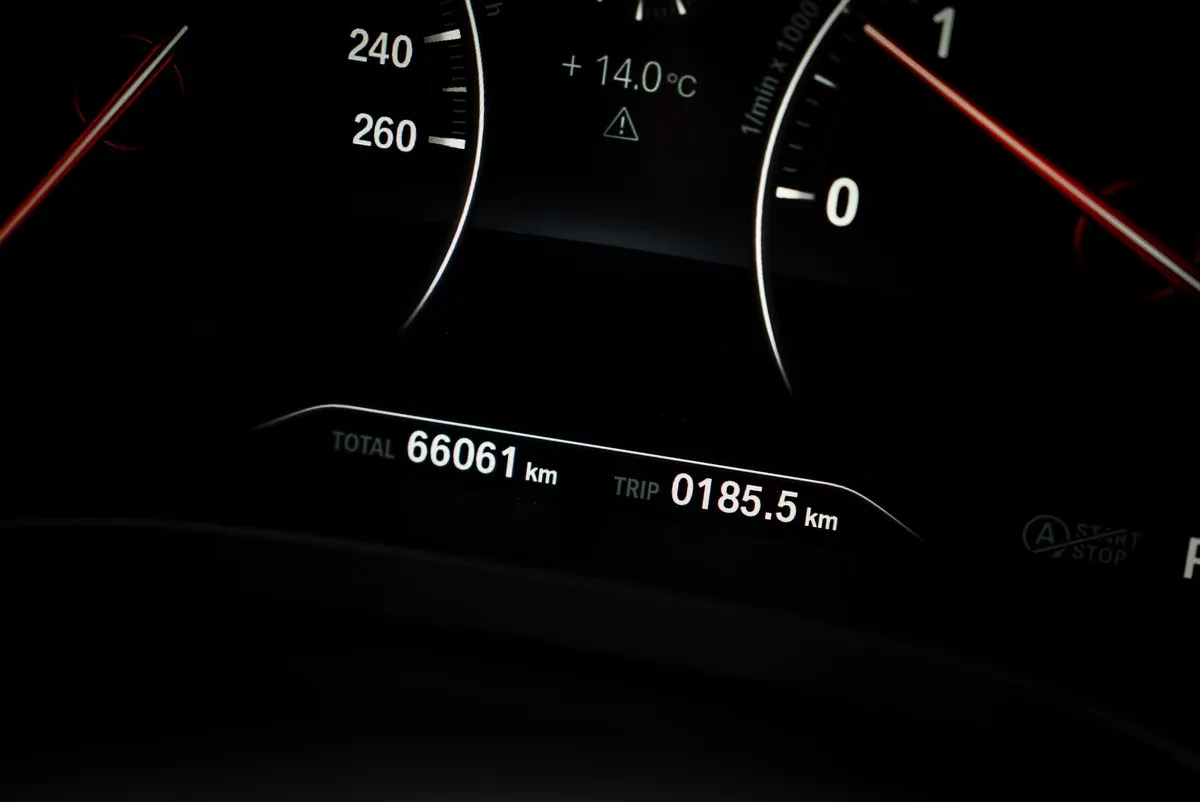
Used car mileage fraud has become increasingly sophisticated with the rise of digital dashboards, leaving buyers vulnerable to severe financial deception. Industry data indicates that tampered odometers affect between 5 and 12 percent of domestic vehicle sales across Europe, while cross-border transactions see fraudulent rates soar up to 30 percent.
"With just a laptop and the appropriate software, dishonest sellers can decrease an odometer reading by 50,000 or 100,000 kilometers in just a few clicks," automotive consumer protection specialists note regarding the ease of modern digital rollbacks.
Related Stories

Get the Latest Automotive & Sports News from Vince's Auto Body Inc
Receive the latest updates on automotive industry, football, basketball, economy, and technology news directly in your inbox. It's free!
SubscribeEnsuring complete traceability of a vehicle's history remains the most effective defense against odometer manipulation. In France, platforms like Histovec managed by the Ministry of the Interior aggregate historical data and technical inspection logs to help consumers verify genuine usage.
Beyond digital logs, physical inspection of cabin components offers immediate clues to a vehicle's true lifecycle. Excessive wear on steering wheels, gear shifters, and pedal rubbers often exposes heavy use that contradicts a low digital display.
Legal Recourse Against Odometer Fraud
Buyers who discover post-purchase odometer fraud retain strong legal protections under civil and criminal law. Initiating formal complaints and demanding sale annulment or financial restitution can hold fraudulent sellers accountable.
Purchasing a vehicle marked with a non-guaranteed mileage disclaimer does not exempt a seller from standard legal obligations. Misrepresenting a car's distance constitutes a serious breach of conformity and deceptive commercial practice.
Victims of odometer tampering are legally entitled to demand the complete cancellation of the sales transaction alongside full price reimbursements. Courts can also order the liable party to pay damages and interest, particularly when malicious intent is proven.
Gathering concrete evidence such as official maintenance logs, workshop visit histories, and independent expert diagnostic reports strengthens the buyer's position before launching legal actions. Issuing a formal registered letter gives the seller a final opportunity to resolve the dispute amicably.