
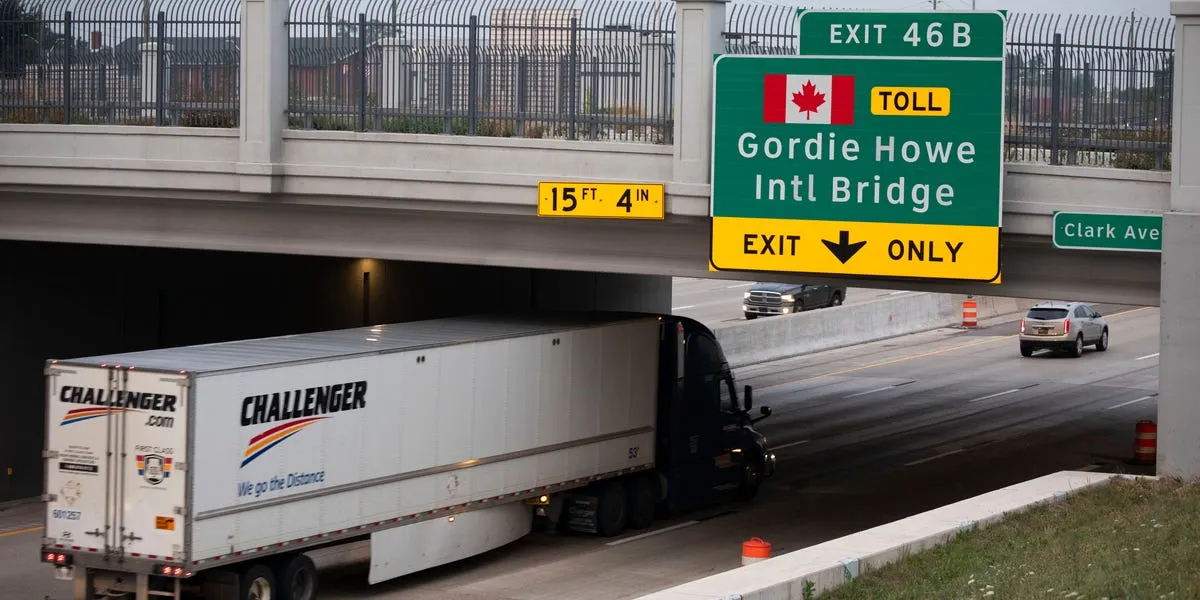
US President Donald Trump has escalated trade tensions with Canada by threatening a sweeping 50 percent tariff on all cars, trucks, and automotive parts beginning in January 2027. The announcement, shared via social media, marks a severe escalation in an ongoing economic standoff that threatens to disrupt tightly integrated manufacturing supply chains across North America.
"On January First, 2027, Tariffs on all Cars, Trucks, both large and small, Automotive Parts, and Steel, will be increased to 50%," Trump stated, setting off immediate shockwaves throughout the domestic and international automotive sectors. Trade talks between Washington and Ottawa abruptly collapsed following disputes over last-minute policy curveballs introduced by White House negotiators.
Related Stories

Get the Latest Automotive & Sports News from Vince's Auto Body Inc
Receive the latest updates on automotive industry, football, basketball, economy, and technology news directly in your inbox. It's free!
SubscribeCanadian Prime Minister Mark Carney responded forcefully to the economic pressure, condemning the aggressive trade maneuvers during a national address. Carney accused the administration of launching a direct assault on Canada economic stability and domestic industry, immediately announcing retaliatory tariffs targeting American steel, dairy, and agricultural equipment.
Industry analysts warn that the proposed duties would inflict severe consequences on automakers and consumers alike. Major manufacturers including General Motors, Ford, and Stellantis rely heavily on cross-border assembly plants, while foreign brands like Honda and Toyota produce hundreds of thousands of vehicles in Canada destined for the US market.
Automotive Supply Chains Face Devastating Disruptions
The integrated nature of the North American automotive sector means that sweeping import taxes would reverberate far beyond traditional vehicle assembly lines. Experts emphasize that any penalty imposed on cross-border shipments threatens the decades-old framework established under trade agreements like the USMCA.
"The administration proposed 50 percent tariffs on Canadian vehicles and parts, let alone steel, a critical input for auto makers in the US, shines a bright light on the importance of Canada to the US automotive market," said Erin Keating, executive analyst for Cox Automotive. The fallout would quickly impact production schedules for high-volume models such as the Toyota RAV4 and Honda Civic.
Furthermore, everyday vehicle owners across the United States would likely experience the financial impact through escalating maintenance expenses. Industry experts note that heightened tariffs on automotive replacement components directly translate into increased repair bills and soaring insurance premiums for consumers regardless of vehicle origin.
As both nations dig in their heels, the future of cross-border commerce remains dangerously uncertain. Unless diplomatic efforts can rescue trade relations before the winter deadline, the automotive landscape of North America faces unprecedented structural disruption.