
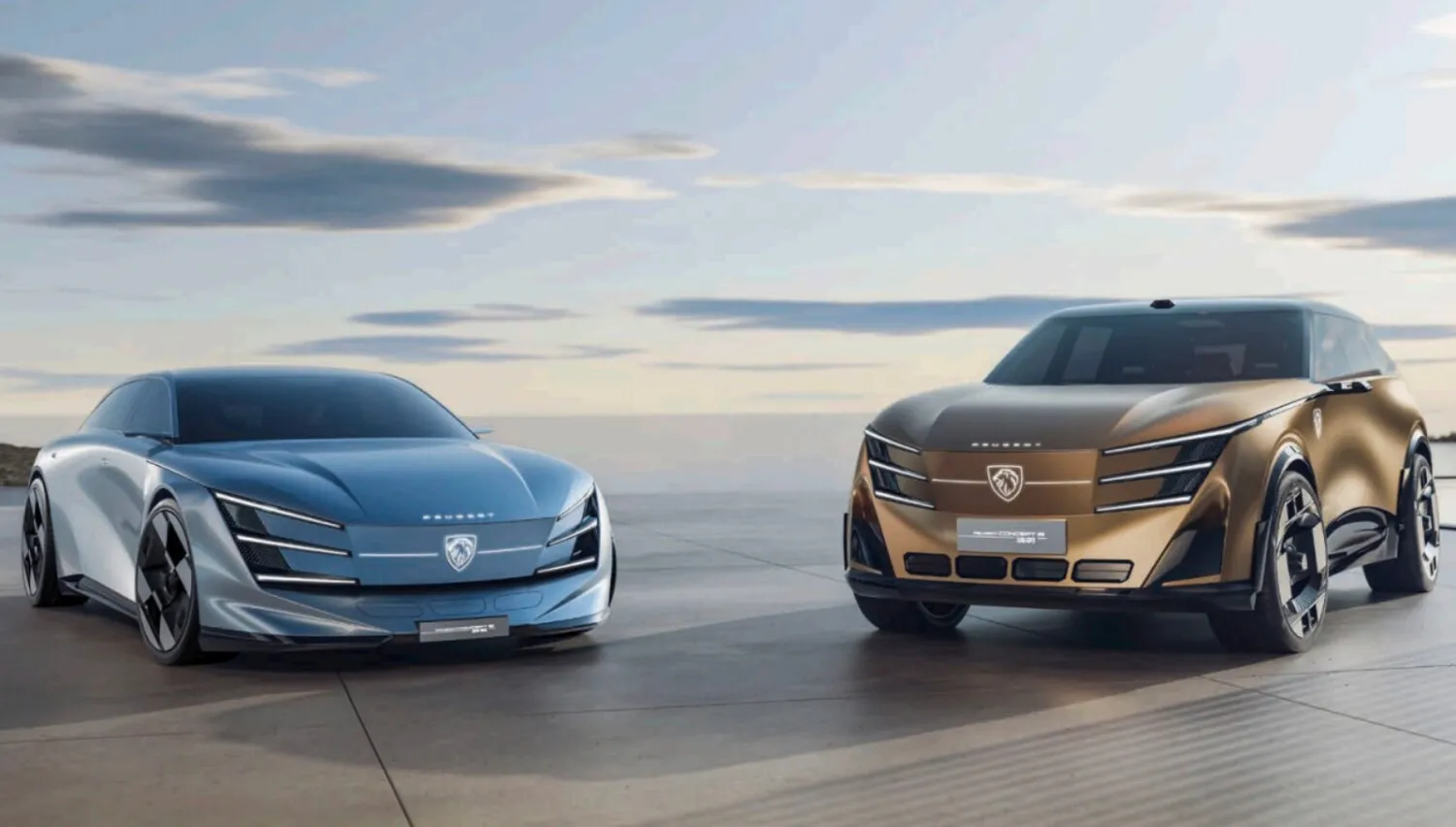
Peugeot has officially scrapped its ambitious 2030 all-electric target for the European market, choosing instead to maintain a flexible lineup that balances battery electric vehicles alongside traditional internal combustion and hybrid models. Originally pledged in late 2021 as a firm roadmap toward a zero-emission European catalog by the end of the decade, the French lion brand has revised its strategy to adapt to evolving consumer demand and slower-than-anticipated infrastructure growth across the continent.
Speaking on the updated product roadmap, Peugeot CEO Alain Favey confirmed that seven new or deeply overhauled models will roll out across Europe by 2030, leveraging cutting-edge innovations from parent company Stellantis. While the brand is moving forward with next-generation battery-powered options, updated gasoline and hybrid variants of core models like the 208 and 2008 will remain available to buyers well beyond the 2030 threshold.
Related Stories

Get the Latest Automotive & Sports News from Vince's Auto Body Inc
Receive the latest updates on automotive industry, football, basketball, economy, and technology news directly in your inbox. It's free!
SubscribeThe upcoming electric iterations of the Peugeot 208 and 2008 will serve as technological flagships for the brand, marking the first time vehicles utilize the advanced STLA One architecture and STLA Brain onboard electronics. However, to keep manufacturing costs balanced without overextending capital investments, the parallel combustion and hybrid editions of these popular vehicles will continue utilizing their existing, proven foundations.
Beyond the European market, Peugeot is also setting its sights on expansion in Asia by introducing two high-end sedans tailored specifically for China, developed in strategic partnership with Dongfeng. These luxury D-segment vehicles draw direct inspiration from the Concept 6 and Concept 8 prototypes, showcasing distinct horizontal LED lighting signatures designed to fortify the brand's global footprint.
Design Distinction and Stellantis Synergy Drive New Strategy
As legacy automotive manufacturers across Europe recalibrate their electrification timelines to match economic realities, Peugeot is betting on a dual-track approach. By combining advanced electric architectures with extended combustion offerings, executive leadership aims to expand global annual sales from 1.1 million units to 1.5 million units by the end of the decade.
At the core of Peugeot's revised multi-energy strategy is its substantial volume advantage within the Stellantis automotive group, producing over one million vehicles annually and securing priority access to cutting-edge corporate technologies. This unique market scale allows the French manufacturer to absorb research and development expenses more efficiently than smaller competitors navigating the turbulent transition toward electrification.
Executive leadership emphasizes that distinctive exterior styling remains the ultimate shield against fierce competition, particularly from emerging international rivals entering the European and global sectors. Favey noted that every new vehicle must instantly convey its brand identity at a glance, avoiding homogenized design language that could easily be mistaken for competing global automakers.
The ongoing integration of STLA-derived technologies ensures that even as traditional engines remain on showroom floors, digital connectivity and powertrain efficiency will see major advancements across all upcoming releases. This deliberate hedging of bets allows dealerships to cater to diverse regional consumer preferences without forcing premature abandonment of traditional fuel segments.