
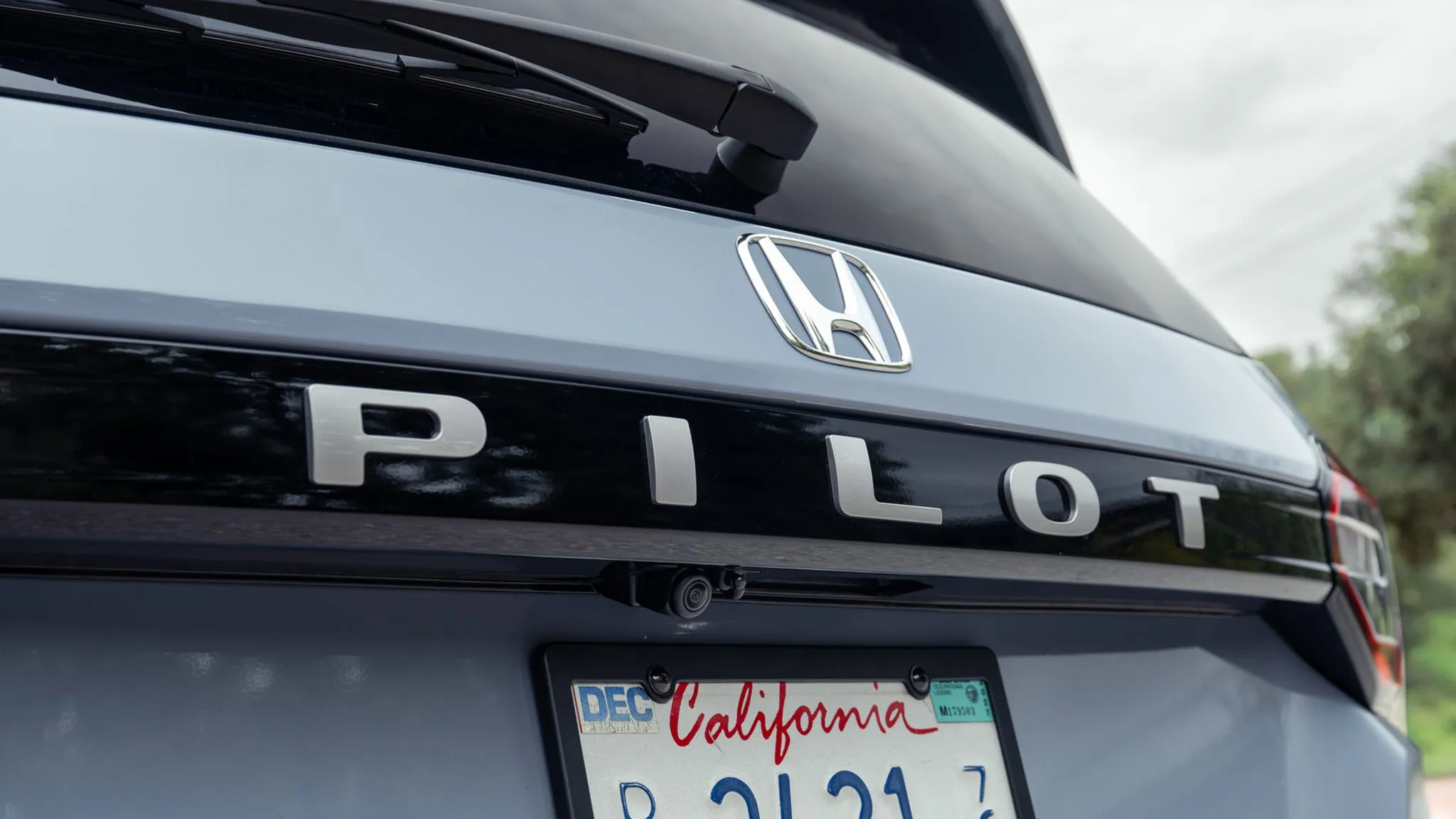
Honda Pilot buyers seeking a reliable three-row family SUV will find plenty of strong options on the used market, though certain model years clearly outperform others. First introduced over twenty years ago, the Pilot has consistently delivered exceptional interior space and clever packaging by strictly adhering to Honda's signature design philosophy.
Purchasing a used vehicle remains one of the smartest ways to bypass the steep financial hit of initial depreciation. Experts generally recommend targeting newer models that have cleared the steepest part of their depreciation curve, ensuring lower mileage, updated safety technology, and remaining factory warranty coverage.
Related Stories

Get the Latest Automotive & Sports News from Vince's Auto Body Inc
Receive the latest updates on automotive industry, football, basketball, economy, and technology news directly in your inbox. It's free!
SubscribeThe fourth-generation models spanning from 2023 to 2025 represent exceptional value for buyers wanting modern tech and fresh styling. Following its complete redesign in 2023, this generation introduced a capable new powertrain and a genuine off-road-oriented TrailSport trim, though buyers should verify that any early recalls have been properly addressed.
Meanwhile, the final years of the third generation covering 2021 and 2022 offer a compelling sweet spot for used car shoppers. These models successfully ironed out the troublesome quirks of earlier third-generation builds while remaining modern enough to offer dependable daily service without breaking the bank.
Older Models and Years to Approach with Caution
Navigating the used market also means identifying which Honda Pilot model years require extra scrutiny before signing any paperwork. Early third-generation models, particularly the 2016 release, logged high volumes of owner complaints and faced serious mechanical concerns regarding defective connecting-rod bearings.
Second-generation models built between 2009 and 2015 introduced notable engineering hurdles, most notably piston-ring wear that caused excessive oil consumption and fouled spark plugs. While Honda extended warranties to address these issues, vehicles of this vintage are now well past coverage expiration.
Reviewing complete and thorough service records remains an absolute necessity when considering any older pre-owned SUV. Mechanics advise checking vehicle identification numbers against official safety databases to ensure all historical recalls, including air bag replacements on specific older trims, were completed.
Ultimately, prioritizing newer certified pre-owned options or meticulously maintained older variants ensures buyers enjoy the practical benefits of this popular crossover. Careful research and thorough pre-purchase inspections remain the ultimate safeguards for any used vehicle transaction.