
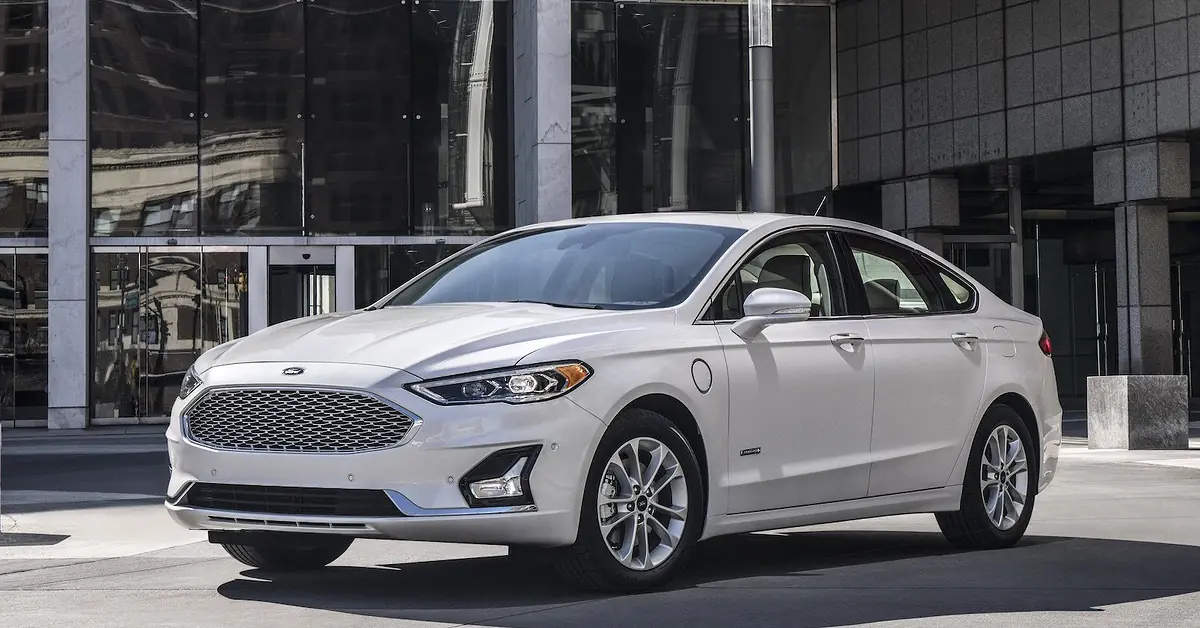
Ford faces a pivotal strategic crossroads as market demands shift and industry observers increasingly question whether the American automaker needs to reintroduce traditional passenger cars to its lineup. Having completely phased out standard sedans like the Fusion by 2020 to focus heavily on trucks and SUVs, the company now confronts growing pressure to address the entry-level and budget-conscious segments of the automotive market.
The conversation around a potential return to car manufacturing gained momentum following hints of expanding the Mustang portfolio with rugged variants, alongside previous remarks from Ford CEO Jim Farley suggesting that a conventional car is not entirely out of the question. In an era where rising vehicle prices lock many buyers out of new car ownership, offering a traditional, lower-cost sedan could provide a viable solution for fiscally limited consumers.
Related Stories

Get the Latest Automotive & Sports News from Vince's Auto Body Inc
Receive the latest updates on automotive industry, football, basketball, economy, and technology news directly in your inbox. It's free!
Subscribe"A car is a good way to meet the needs of the fiscally limited in an era when affordability is a pressing concern," industry discussions highlight, as buyers continue to search for alternatives to increasingly expensive crossovers and large pickup trucks dominating showroom floors across North America.
While niche performance concepts like off-road Mustang variants or crossover expansions capture headlines, critics argue that mainstream automakers risk alienating everyday buyers by abandoning the affordable car sector entirely, leaving open the question of whether the Blue Oval will eventually reverse its all-truck strategy.
Balancing Niche Performance With Mainstream Affordability
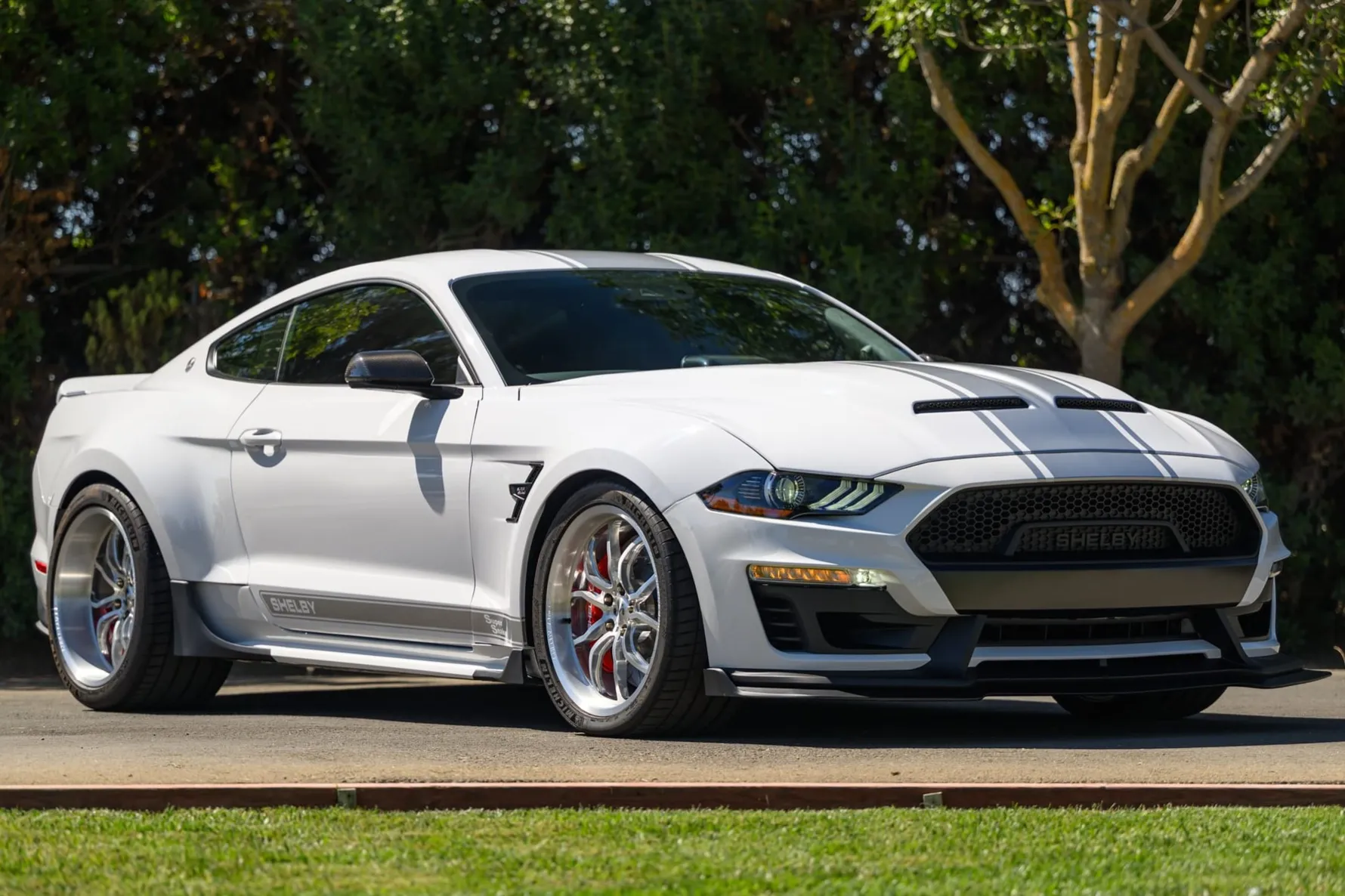
Automotive market analysts remain divided on what form a potential new Ford passenger car should take, balancing the appeal of high-margin performance models against the urgent demand for practical family transportation. Expanding the iconic nameplate into new body styles creates brand excitement, yet critics point out that abandoning mainstream segments leaves significant gaps in the brand's traditional full-line identity.
Competitors navigating similar market pressures have shown that consumer demand for traditional vehicle formats persists, even as crossover dominance dictates overall sales volumes. Reintroducing a well-priced midsize or compact vehicle could reestablish a crucial stepping stone for younger or budget-focused buyers entering the brand ecosystem for the first time.
"Ford doesn't need a niche product like a Mustang sedan, as it is supposed to be a mainstream, full-line automaker," industry commentators note, emphasizing that the absence of affordable small and midsize cars leaves a noticeable void in the company's domestic portfolio.
As executive leadership weighs future product roadmaps against shifting economic landscapes, the ultimate decision to produce a new car will depend heavily on regulatory pressures, manufacturing costs, and whether consumer demand for affordable passenger vehicles warrants a major shift in corporate strategy.