
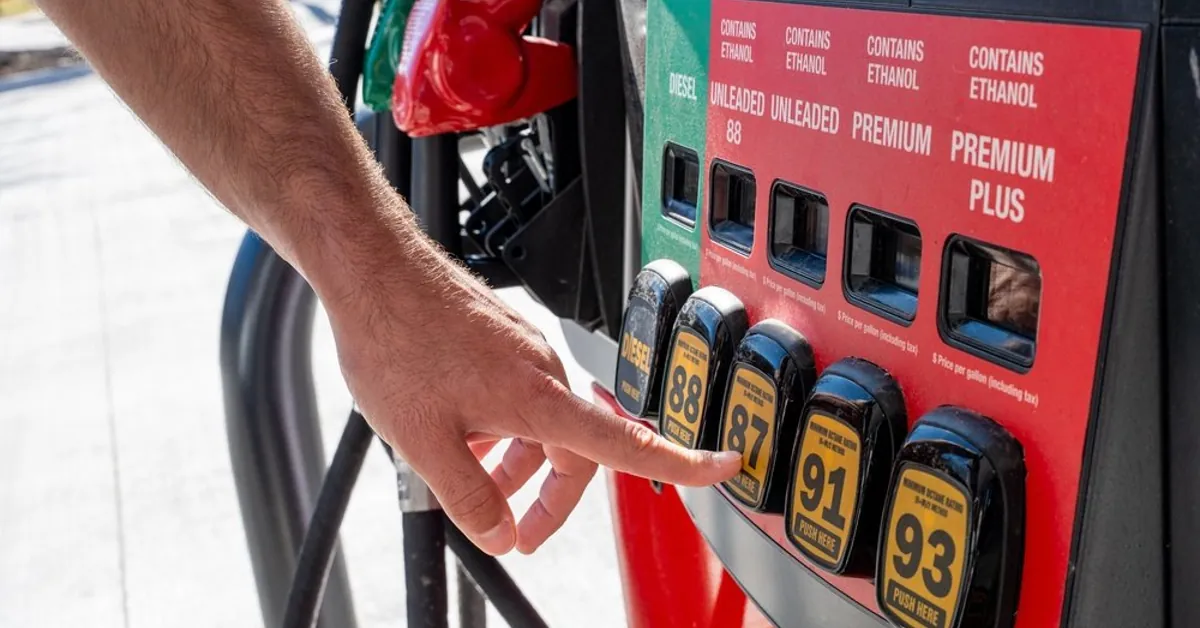
Surging gasoline prices, sky-high auto insurance premiums, and rising shop maintenance fees have pushed the cost of vehicle ownership to record levels across the United States. According to a recent survey of 2,001 U.S. consumers conducted by LendingTree, an overwhelming 81 percent of Americans report changing their driving or transportation habits over the past year specifically to offset rising operational expenses.
Rather than giving up their keys entirely, everyday drivers are adopting strategic workarounds to navigate the financial squeeze. Combining errands into single trips leads the pack as the most common adjustment at 38 percent, followed closely by cutting back overall driving distance at 31 percent and actively searching for cheaper fuel options prior to filling up at gas stations.
Related Stories

Get the Latest Automotive & Sports News from Vince's Auto Body Inc
Receive the latest updates on automotive industry, football, basketball, economy, and technology news directly in your inbox. It's free!
SubscribeThe study reveals that 54 percent of drivers modified their total annual mileage over the past twelve months, with 20 percent driving less and 34 percent actually driving more due to unyielding life demands like long commutes. Among those cutting back, high pump prices were cited as the primary catalyst by 64 percent of respondents, trailed by health conditions and broader household financial constraints.
Monthly transportation budgets are feeling the strain across all demographics, prompting experts to closely monitor consumer resilience. Industry analysts advise that while cutting unnecessary trips helps short-term cash flow, drivers should avoid skipping routine preventive maintenance like tire rotations and oil changes to prevent far costlier mechanical failures down the road.
The Resurgence of Carpooling Among Younger Drivers
"When gas prices and other transportation costs rise, many people respond by cutting unnecessary trips, while others drive more because life gives them little choice," said Matt Schulz, LendingTree chief consumer finance analyst. "As much as people would love to be more flexible with their driving habits, sometimes it isn't possible."
To dodge individual vehicle expenses, 29 percent of Americans now carpool at least once a week. This cost-saving practice is most prominent among Gen Z drivers aged 18 to 29, where an impressive 52 percent report regularly sharing rides to work or school.
Overall, 51 percent of consumers say they view carpooling favorably and would willingly share rides if traveling to a shared destination with someone outside their immediate household. Shared transit offers a practical lifeline for budget-conscious commuters looking to split escalating fuel and parking expenditures.
However, shared rides are not a universal solution for everyone facing transit hurdles. Nearly four in ten Americans report that they have never carpooled, pointing to a strong personal preference for solo driving privacy, a lack of acquaintances sharing the same route, and conflicting daily work schedules.