
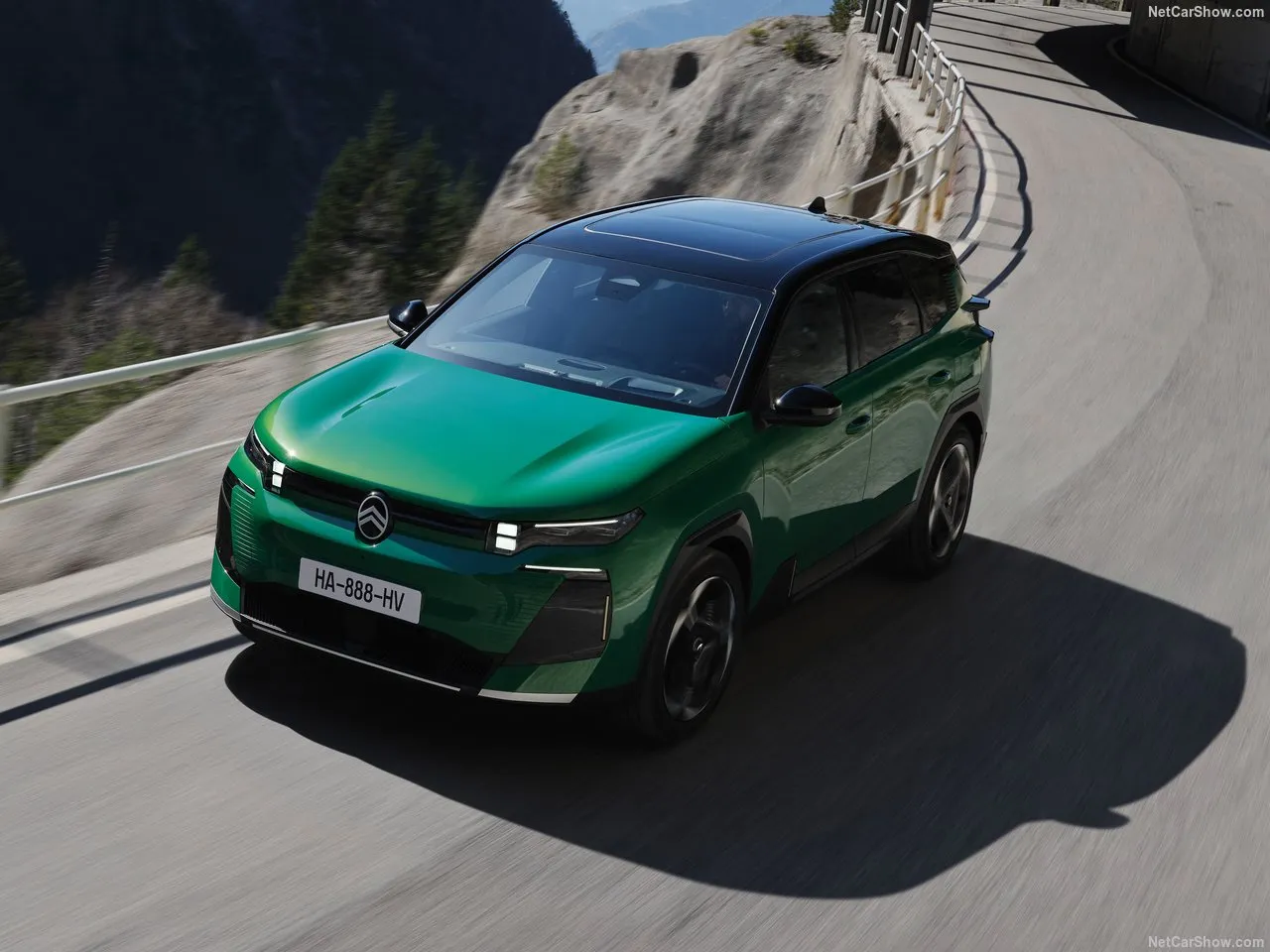
Citroën C5 Aircross plug-in hybrid SUV models promise exceptional fuel efficiency and high electric range on paper, but real-world testing reveals a more nuanced picture. Official WLTP figures claim nearly 100 kilometers of battery-powered driving and fuel consumption below 3 liters per 100 kilometers, sparking significant interest among family motorists seeking lower running costs.
The powertrain pairs a 150-horsepower 1.6-liter turbocharged gasoline engine with a 125-horsepower electric motor, delivering a combined output of 225 horsepower. Its lithium-ion battery pack provides a total capacity of 21 kWh, with 17.8 kWh usable according to official technical specifications.
Related Stories

Get the Latest Automotive & Sports News from Vince's Auto Body Inc
Receive the latest updates on automotive industry, football, basketball, economy, and technology news directly in your inbox. It's free!
SubscribeUnder actual driving conditions, the electric-only range hovers closer to 68 kilometers before the internal combustion engine kicks in, tracking lower than the homologated 96 to 113 kilometers. Seasonal variations further influence performance, yielding around 72 kilometers in colder weather and up to 80 kilometers under milder climates.
When operating with a depleted battery on a mixed cycle, real-world fuel consumption averages 7.4 liters per 100 kilometers. Consumption climbs to 8.0 liters in urban environments and settles around 6.8 liters on open roads, proving that regular charging routines remain essential for maximizing efficiency.
Charging Performance and Daily Usability
Vehicle charging infrastructure reliance shapes the day-to-day experience of operating the C5 Aircross PHEV without rapid-charging capabilities. Official data indicates that replenishing the battery takes roughly nine hours using a standard domestic wall socket, dropping to six hours on a 3.7 kW charger and three hours on a 7.4 kW wallbox.
Daily commuting habits dictate overall fuel savings, as drivers who plug in every night can complete most routine trips entirely on electricity. Conversely, frequent long-distance motorway travel with an uncharged battery turns the vehicle into a standard gasoline SUV assisted by its hybrid system.
Consumer protection advocates and automotive analysts stress that understanding these real-world metrics helps buyers manage expectations regarding fuel economy. Routine access to home charging infrastructure ultimately determines whether owners capture the full financial benefits of the plug-in hybrid architecture.
Thorough pre-purchase evaluations and transparent performance data continue to guide modern car buyers through the evolving landscape of electrified family crossovers. Independent testing provides critical clarity as automakers navigate shifting regulatory and consumer standards.