
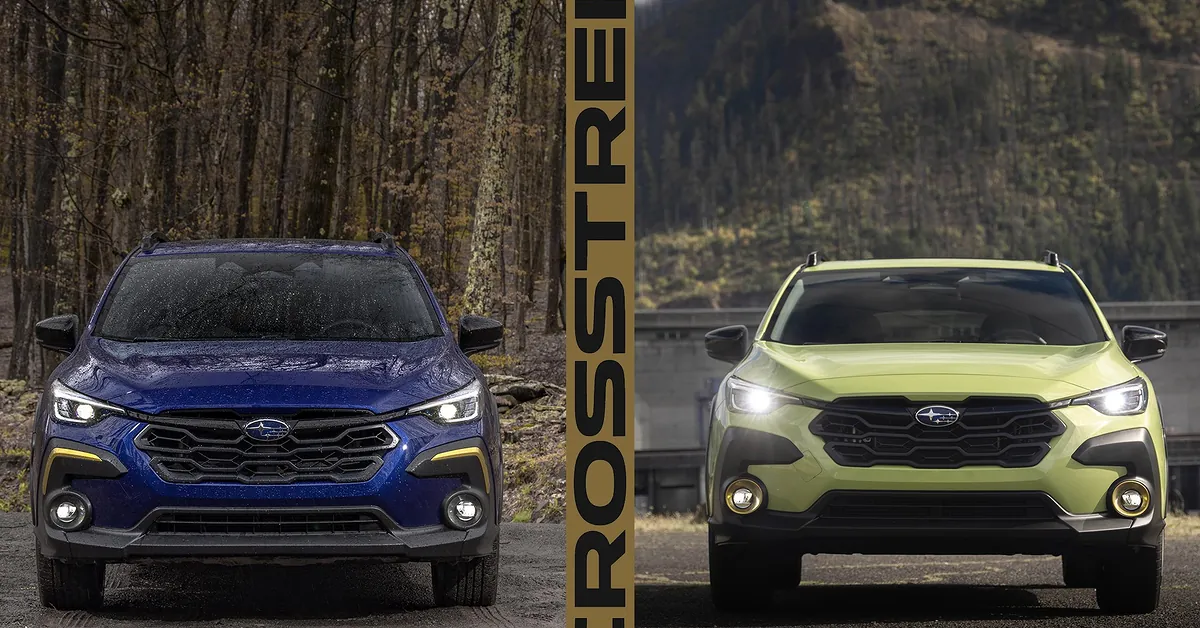
The 2026 Subaru Crosstrek Hybrid arrives as a major turning point for the brand, bringing electrification back to one of its best-selling small SUVs with a completely revamped system. Since its initial debut over a decade and a half ago, the Crosstrek has moved more than 1.6 million units in the United States alone, establishing itself as a dominant force in the compact utility vehicle market.
Following past attempts with mild and plug-in hybrid variations that offered limited market traction, Subaru is leaning into a balanced full-hybrid configuration. Industry experts note that this third iteration aims to hit the sweet spot for efficiency and everyday utility without compromising the rugged identity drivers expect.
Related Stories

Get the Latest Automotive & Sports News from Vince's Auto Body Inc
Receive the latest updates on automotive industry, football, basketball, economy, and technology news directly in your inbox. It's free!
Subscribe"Subaru is looking to expand the appeal of the vehicle even further with the introduction of a hybrid model," industry analysts point out, noting that consumer demand for practical eco-friendly crossovers has never been higher across North American dealerships.
Evaluating how this electrified variant stacks up against its conventional counterpart requires examining five key areas, ranging from mechanical layout and external touches to interior options and overall cost structures.
Drivetrain and Fuel Economy Changes
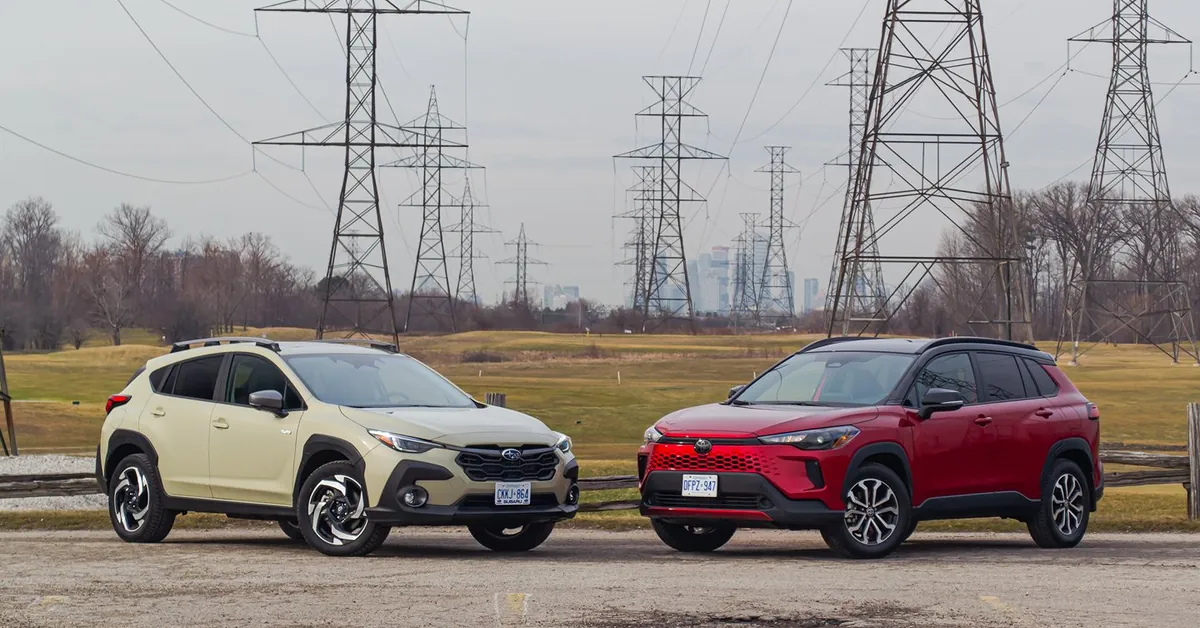
The most substantial divergence between the traditional gas-powered vehicle and its electrified sibling lies under the hood and within the mechanical architecture. Both options utilize a foundational 2.5-liter flat four-cylinder engine paired with a continuously variable automatic transmission and Subaru's trademark symmetrical all-wheel drive system.
However, the hybrid setup utilizes a detuned version of the internal combustion engine pushing 162 horsepower alongside an 88 kW electric motor to produce a combined total output of 194 horsepower. This combination delivers seamless stop-start transitions and sharper throttle response around town.
Fuel economy sees a dramatic improvement, with the hybrid variant achieving an EPA-estimated 36 mpg in the city and 36 mpg on the highway, compared to the standard gas model's ratings of 26 mpg city and 33 mpg highway.
"The electric motor doesn't just provide more power for acceleration; it also helps with smoother acceleration from a stop," automotive specialists emphasize regarding daily drivability in congested urban traffic environments.