
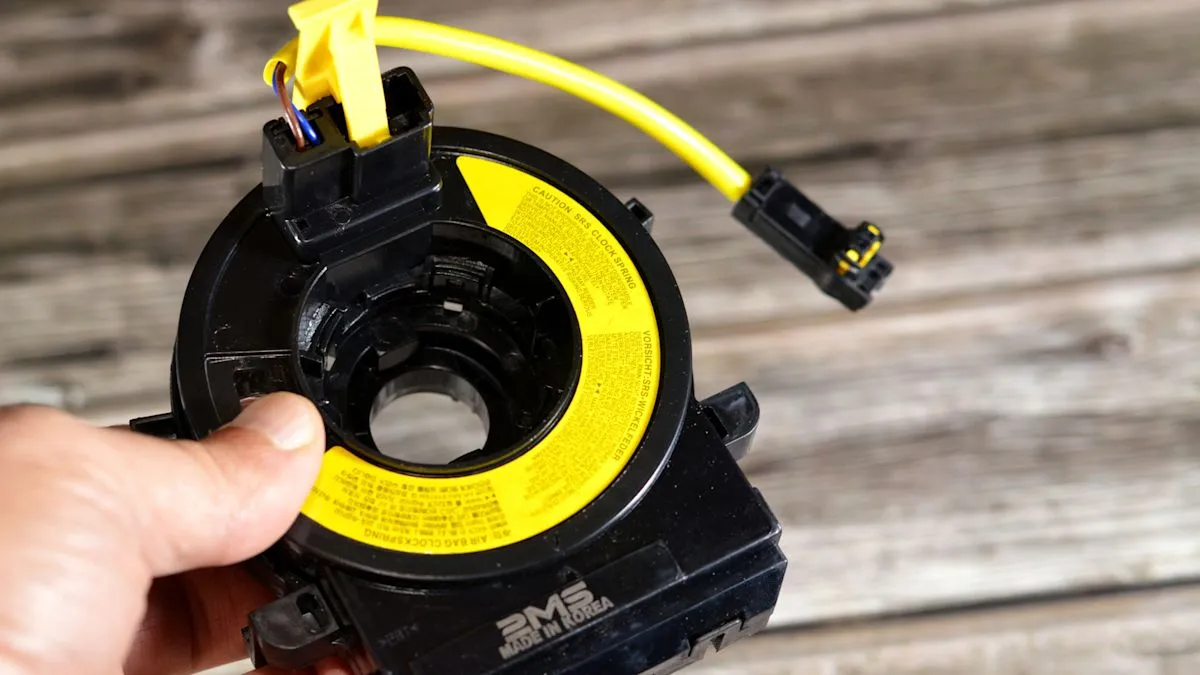
The clock spring in your steering wheel is a crucial mechanical component that most drivers never think about until it suddenly malfunctions. Normally hidden deep within the steering wheel mechanism just beneath the horn and airbag assembly, this part ensures a continuous electrical connection as the wheel turns.
Also referred to as a cable reel assembly, spiral cable, or coil spring unit, its primary modern function goes far beyond older models. While vintage vehicles used similar technology solely to power the horn, today's components manage complex systems including the driver's airbag, media controls, and cruise control.
Related Stories

Get the Latest Automotive & Sports News from Vince's Auto Body Inc
Receive the latest updates on automotive industry, football, basketball, economy, and technology news directly in your inbox. It's free!
SubscribeSeveral critical safety hazards can occur if the clock spring goes bad, with the most alarming being the potential failure of your airbags during a serious collision. Fortunately, vehicles typically alert drivers to this electrical disconnect via an illuminated airbag warning light on the dashboard.
Additional complications include a complete loss of the vehicle's horn, which can create dangerous situations if you need to alert distracted pedestrians or drivers in an emergency. Drivers may also lose functionality in steering wheel-mounted infotainment adjustments and phone controls, requiring prompt professional repair.
Recognizing Warning Signs and Repairing Your Vehicle
Recognizing the early signs of a failing spiral cable can prevent dangerous driving situations on public roads and highways. When steering wheel buttons for audio or cruise control abruptly stop responding, the internal ribbon cable is often worn out or broken.
Motorists should never ignore an active airbag warning light, as it frequently signals that the safety restraint system has lost its vital connection. "If your airbag light does come on, contact your mechanic and have this malfunction repaired as soon as possible," automotive experts advise.
Physical symptoms can also manifest inside the steering column, including clicking or grinding noises when turning the wheel from side to side. These strange acoustic cues usually indicate that internal parts are rubbing or structurally failing inside their protective housing.
Promptly addressing these mechanical and electrical failures ensures that secondary features like cruise control function correctly while minimizing driver distraction. Taking your car to a certified technician remains the safest way to replace a damaged unit and restore full vehicle functionality.