SRT eBoost Air Tech Aims to Eliminate Turbo Lag
Stellantis unveils SRT's eBoost Air technology to eliminate turbo lag using an innovative electric compressor system.
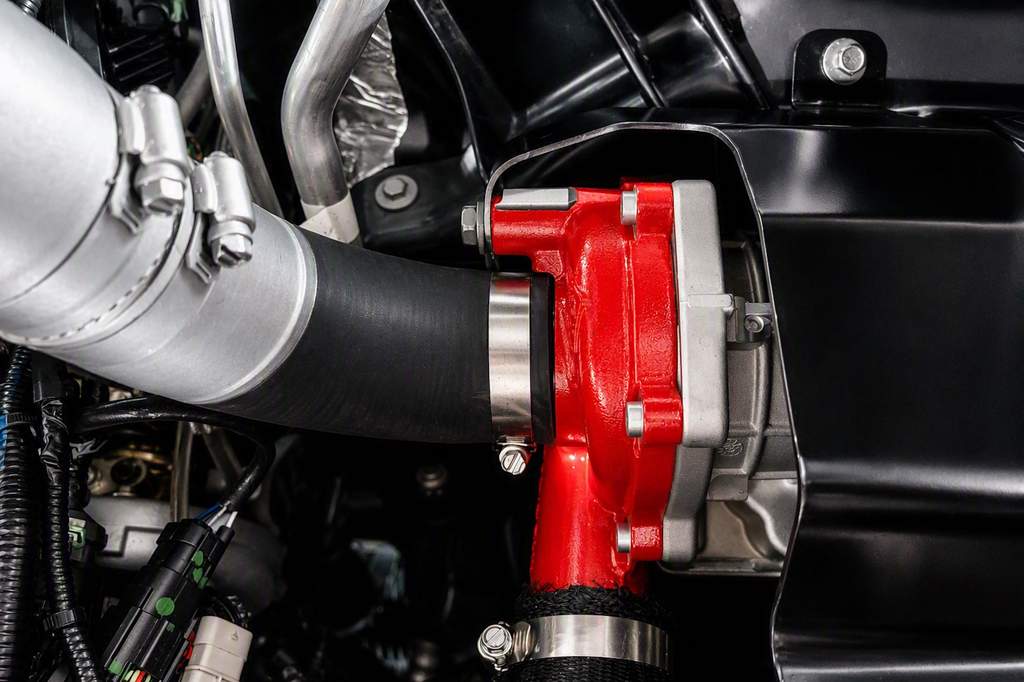
Close-up of an advanced automotive engine component highlighting modern turbocharger technology.
Understanding Turbocharger Lag Mechanics
Turbochargers rely on exhaust gases to spin a turbine and increase intake air density. Larger turbos require more airflow and time to spool up, creating a noticeable delay known as turbo lag. Engineers combat this issue through smaller twin setups or electrified turbochargers.
Modern Automotive brands constantly seek innovative ways to improve throttle response. Drivers often experience frustrating delays before receiving full power demand.
How eBoost Air Operates
The eBoost Air system features an independent electrically powered turbine mounted in the intake pathway. When drivers demand torque, this e-compressor pumps air instantly to accelerate turbo spooling. The system then diverts airflow back to the standard pathway once optimal speeds arrive.
Testing on a High Output Hurricane motor shows response times rivaling supercharged V-8 engines. Tim Kuniskis noted, "Enthusiasts aren’t interested in technology for the sake of technology. But when technology improves Performance with no downside, they’re all in."
Future Potential for Lineup
The eBoost Air remains a concept while engineers evaluate production costs and feasibility. Affordable amortization could bring this technology directly to the Hurricane engine lineup. Larger turbos might even match the incredible power output of older Hellcat engines.
Automotive enthusiasts continue monitoring developments from the SRT division closely. Production timelines and vehicle integration details remain unconfirmed.
Read Also
Related Articles